Since mid-July 2026, Algeria has been battling an exceptional wave of wildfires driven by a heatwave topping 49 °C. The Interior Ministry has confirmed six deaths. In its latest daily update, Civil Protection reported 195 fire starts in 24 hours, 142 brought under control and 53 still active. A source contacted by Le Vrai Maroc reports the involvement of Moroccan Canadairs; at this stage that information is confirmed by no authority and no news outlet.
Editorial transparency: this article strictly separates three levels of information — what is officially confirmed, what is reported by several reliable media, and what comes from a single unverified direct source. The mention of Moroccan aircraft belongs to the third category and is not presented as an established fact.
What happened
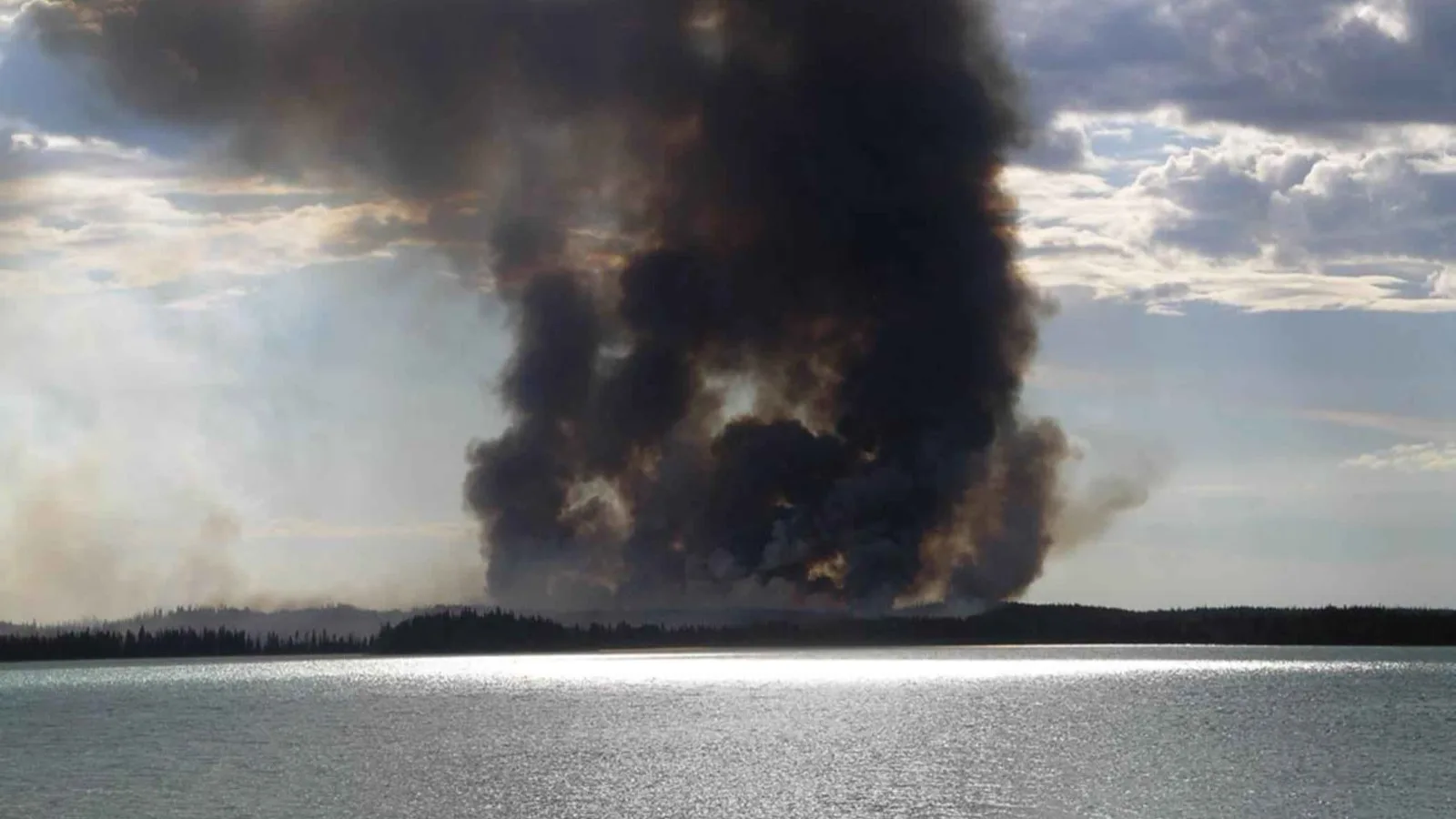
Since the start of July 2026, northern Algeria has been burning. A prolonged heatwave, with peaks near 49 °C along the Mediterranean coast and hot southerly winds, has turned forests, scrubland and crops into fuel. The General Directorate of Civil Protection describes an “exceptional” wave and points to fires of unusual intensity and speed of spread.
There was no single trigger but an accumulation: record heat, multi-year drought and gusting winds ignited dozens of simultaneous fires across many provinces. The situation peaked when a fire that started in the forests of Seraidi, in Annaba province, spread into urban areas and forced authorities to evacuate a hospital.
Timeline of recent days
- 8–15 July 2026: Civil Protection records 932 fire starts in one week, affecting 32 provinces, according to a toll given to the APS agency by Lt. Col. Karim Harbi.
- Since 1 July: roughly 1,460 fires nationwide, 85–90% brought under control, according to spokesperson Nassim Bernaoui.
- Monday 20 July: 146 fire starts in 24h, 127 extinguished, 19 still active.
- Tuesday 21 July: 172 fires, 130 contained, 42 active; the Interior Ministry announces six deaths. By evening, 170 fires recorded for the day, 104 extinguished, 66 active across 19 provinces.
- Wednesday 22 July: 195 fire starts in 24h, 142 contained, 53 still active. Interior Minister Saïd Sayoud travels to Annaba on the instruction of President Abdelmadjid Tebboune.
These figures come from Civil Protection’s successive daily bulletins, relayed by APS and several media. They change by the hour: a single fire can be “contained” and then flare up again.
Regions affected
The most serious fires are concentrated in the north and north-east. Provinces cited in the latest bulletins as still active include Annaba, Souk Ahras, Skikda, Guelma, Bouira, Medea, Mascara, Mila, El-Tarf, Jijel, Constantine, Bejaia, Tlemcen, Saida and Timimoun.
Since 1 May, Algeria has recorded 3,719 wildfires, against 1,501 over the same period in 2025 — a rise of nearly 150%. The General Directorate of Forests estimates more than 1,666 hectares of vegetation destroyed (forests, scrub, brush, alfa grass, fruit trees, mountain crops), up from 467 hectares a year earlier over the same period.
Human impact
The official toll confirmed by the Ministry of the Interior, Local Authorities and Transport is six deaths in the fires that struck “certain provinces of the country in recent days.” The ministry ordered provincial governors to launch a general survey of the damage, in order to allow compensation for those affected.
Beyond the deaths, multiple precautionary evacuations took place. According to Civil Protection and the Anadolu agency: around 100 people evacuated in the Imarat area (Barbacha, Bejaia), 200 in Blida, about ten families in Skikda, six families in Bouira, 13 families (70 people) in Guelma, and several families in Boumerdes (who returned once the situation stabilised). In Seraidi (Annaba), hospital patients were transferred to safe facilities.
The emergency response
Faced with the scale of the phenomenon, Civil Protection urgently recalled personnel across 45 provinces, along with members of the National Training and Intervention Unit. Ground teams work in coordination with the People’s National Army (ANP), the General Directorate of Forests, local authorities, municipalities and many volunteers.
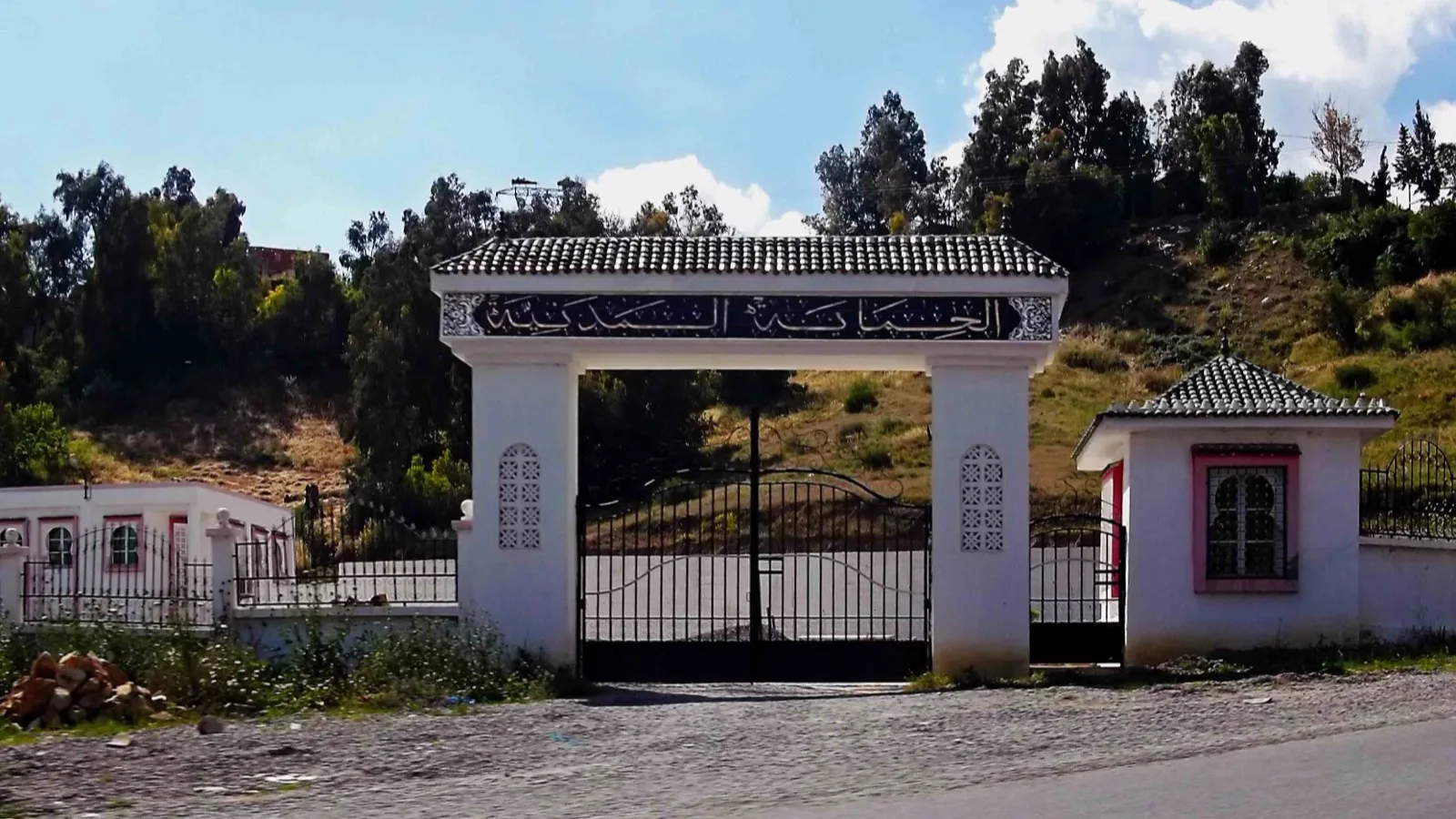
Authorities urged the public to follow official instructions, avoid affected areas and not relay rumours — advice that carries particular weight when information circulates without confirmation.
Algeria’s firefighting resources
For a weekly toll, Civil Protection said it had mobilised “more than 19,000 intervention agents” and 704 trucks and machines dedicated to fighting forest fires. In the air, it reported six helicopters and twelve water-bombing aircraft, plus the ANP’s assets (two aircraft and six helicopters) engaged in the extinguishing operations.
Moroccan Canadairs: a claim to be verified
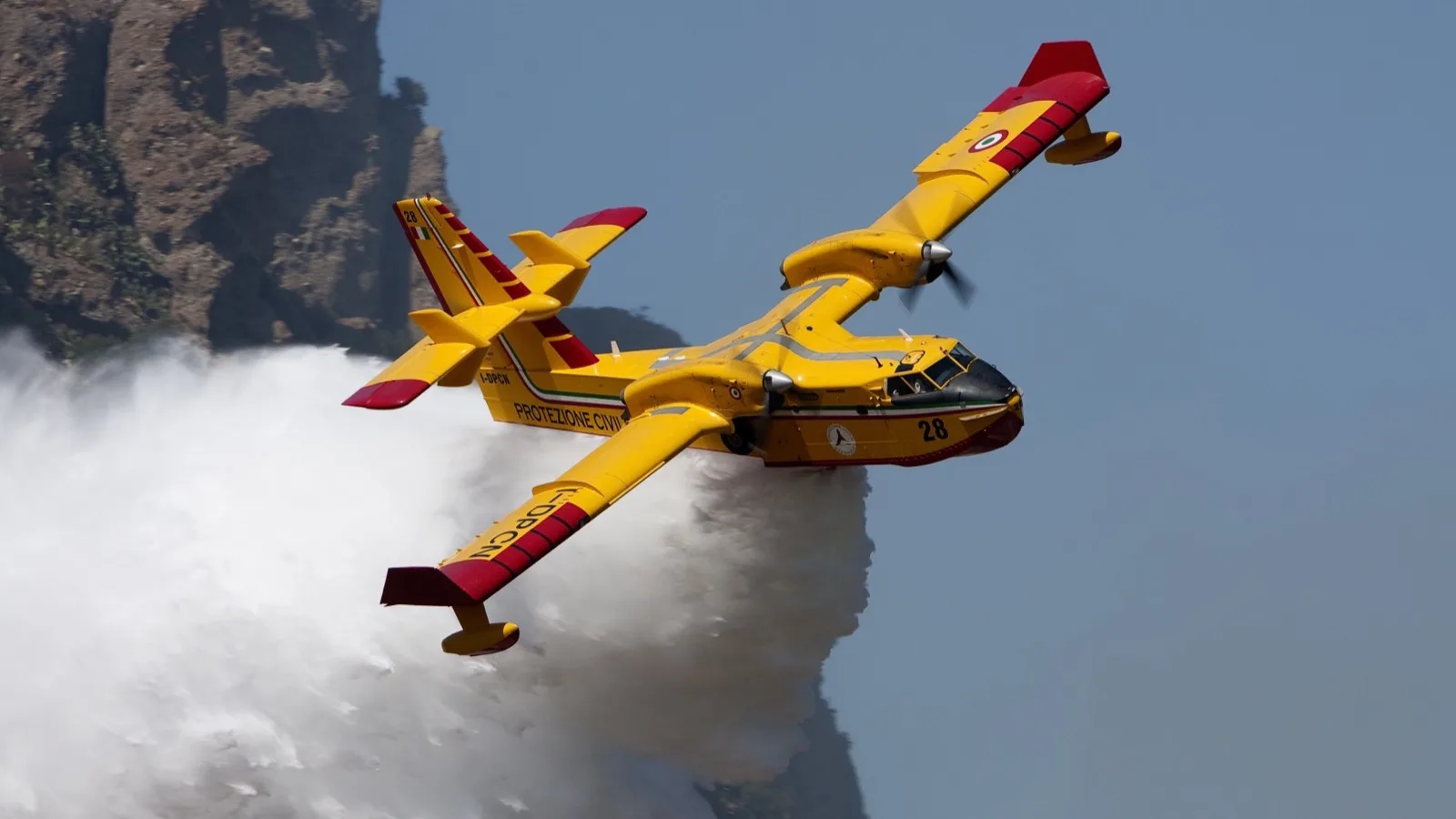
This is the most sensitive part of the story. Le Vrai Maroc was contacted by a direct source claiming that Moroccan Canadairs took part in the aerial firefighting operations in Algeria.
According to a direct source contacted by Le Vrai Maroc, Moroccan aircraft are said to have intervened as part of the aerial operations. As of publication, this claim is corroborated by no Algerian or Moroccan authority, and by no news agency (APS, MAP, Reuters, AFP, AP). Le Vrai Maroc therefore cannot present it as fact.
What our source says
Our source describes a participation of Moroccan aircraft in the aerial effort, in a spirit of solidarity in the face of a natural disaster. However, the source provided no verifiable material — registrations, departure base, overflight authorisation, intervention times — that would allow independent cross-checking of the claim.
In the absence of documentary evidence and official confirmation, Le Vrai Maroc opts for caution: reporting the existence of this account while clearly stating that it is not established. We will update this article if an authority, a recognised news agency or an official document confirms or denies this participation.
What is officially confirmed
At this stage, the following are confirmed by official sources or by several reliable media:
- six deaths (Interior Ministry);
- an exceptional wave of wildfires linked to the heatwave (Civil Protection);
- detailed daily tolls (146, 172 then 195 fire starts in 24h);
- evacuations in Annaba, Bejaia, Blida, Skikda, Guelma, Bouira and Boumerdes;
- the mobilisation of Algerian aerial assets (water bombers and helicopters of Civil Protection and the ANP);
- the Interior Minister’s visit to Annaba on presidential instruction.
What remains unconfirmed
The following are not confirmed to date:
- the participation of Canadairs or Moroccan aircraft in operations in Algeria;
- any official request for, or acceptance of, aid between Rabat and Algiers for this event;
- any figure relating to a foreign air contingent.
One decisive piece of context must be recalled: since 24 August 2021, Algeria has severed diplomatic relations with Morocco, and its airspace has been closed to Moroccan aircraft, civil and military, since 22 September 2021. A Moroccan air operation over Algerian territory would therefore require an exceptional authorisation, of which no public trace exists to date. This background reinforces the need to treat our source’s information with the greatest reserve.
The Canadair CL-415: how it works
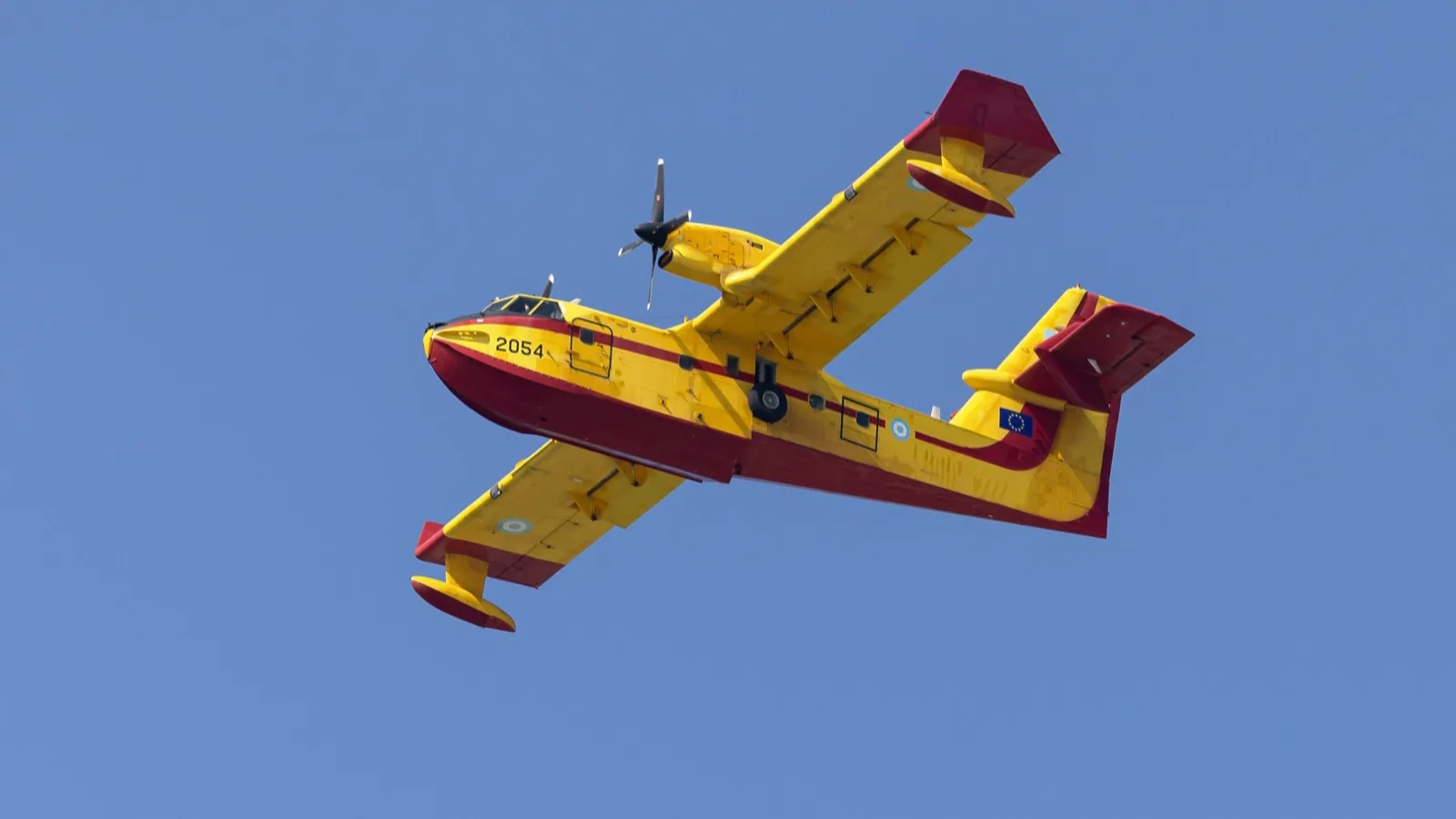
In common usage, “Canadair” refers to the amphibious water-bombing aircraft, the emblematic model being the CL-415 (now succeeded by the DHC-515). Purpose-built for firefighting, it can land on water as well as on a conventional runway.
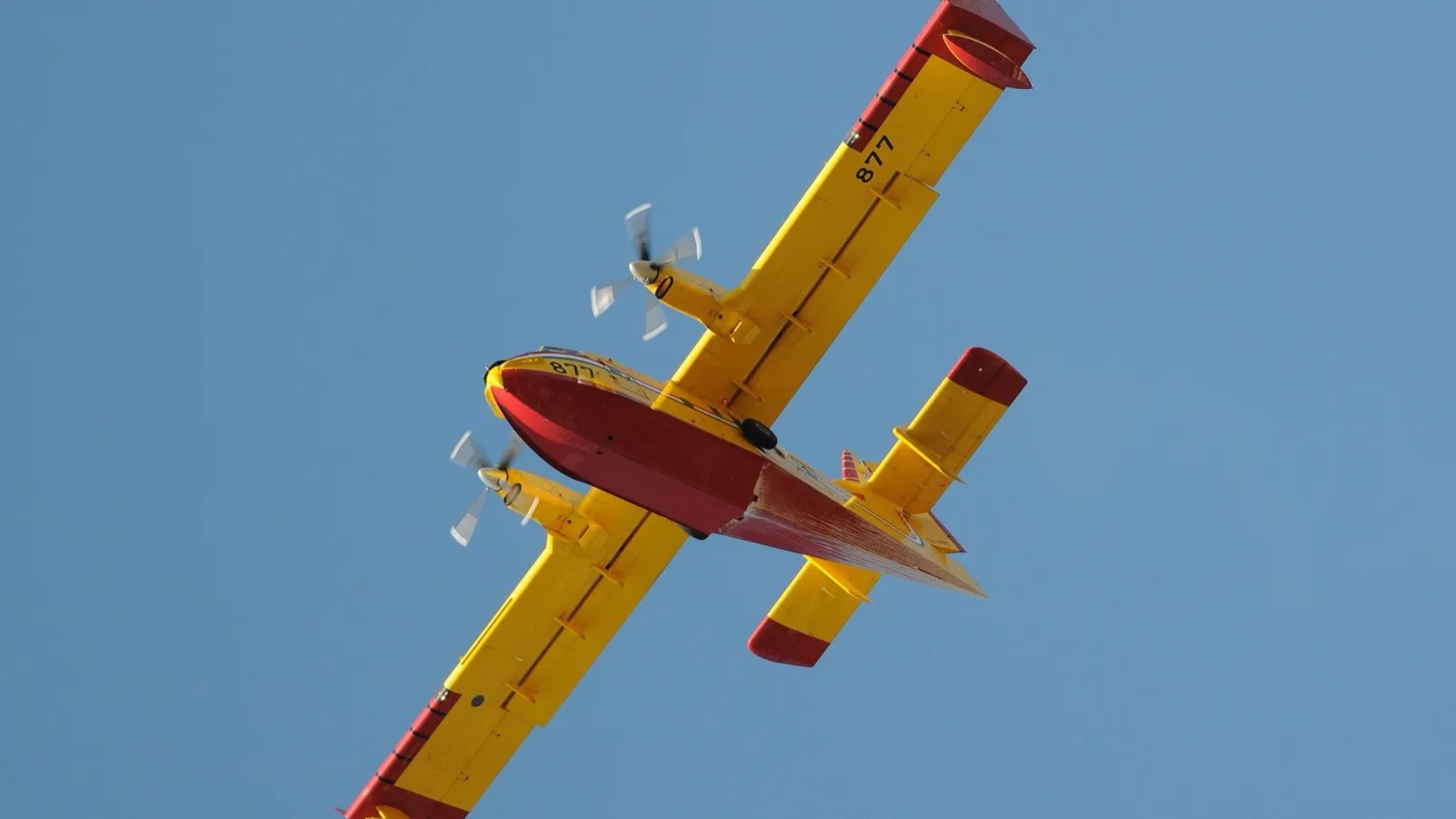
Its main characteristics: a capacity of about 6,137 litres of water (plus 680 litres of foam agent), a full scoop in roughly twelve seconds while skimming a body of water at about 70 knots, a crew of two pilots and two Pratt & Whitney Canada PW123AF turboprops. Its ability to re-scoop without returning to base allows it to chain many drops — a decisive asset over mountain fires. Morocco has, moreover, strengthened its fleet with the arrival of a seventh CL-415.
Regional cooperation and diplomatic context
Mediterranean wildfires spill across borders, and mutual-aid mechanisms exist: the European Union coordinates a fleet through the rescEU system, and countries such as Spain, Italy and Greece regularly share assets. Between Morocco and Algeria, however, the context is one of rupture. One notable precedent exists: in September 2023, Algeria briefly reopened its airspace to Morocco to facilitate the delivery of humanitarian aid after the Al Haouz earthquake. But no bilateral cooperation mechanism has been restored since.
Environmental impact
Beyond the human toll, the recurrence of these episodes reflects a climate signal. Longer, more intense heatwaves, combined with multi-year droughts, dry out vegetation and multiply “fire-weather days” across the entire Mediterranean rim, Morocco and Algeria included. The destruction of more than 1,666 hectares in Algeria, well above 2025 levels, illustrates this trend.
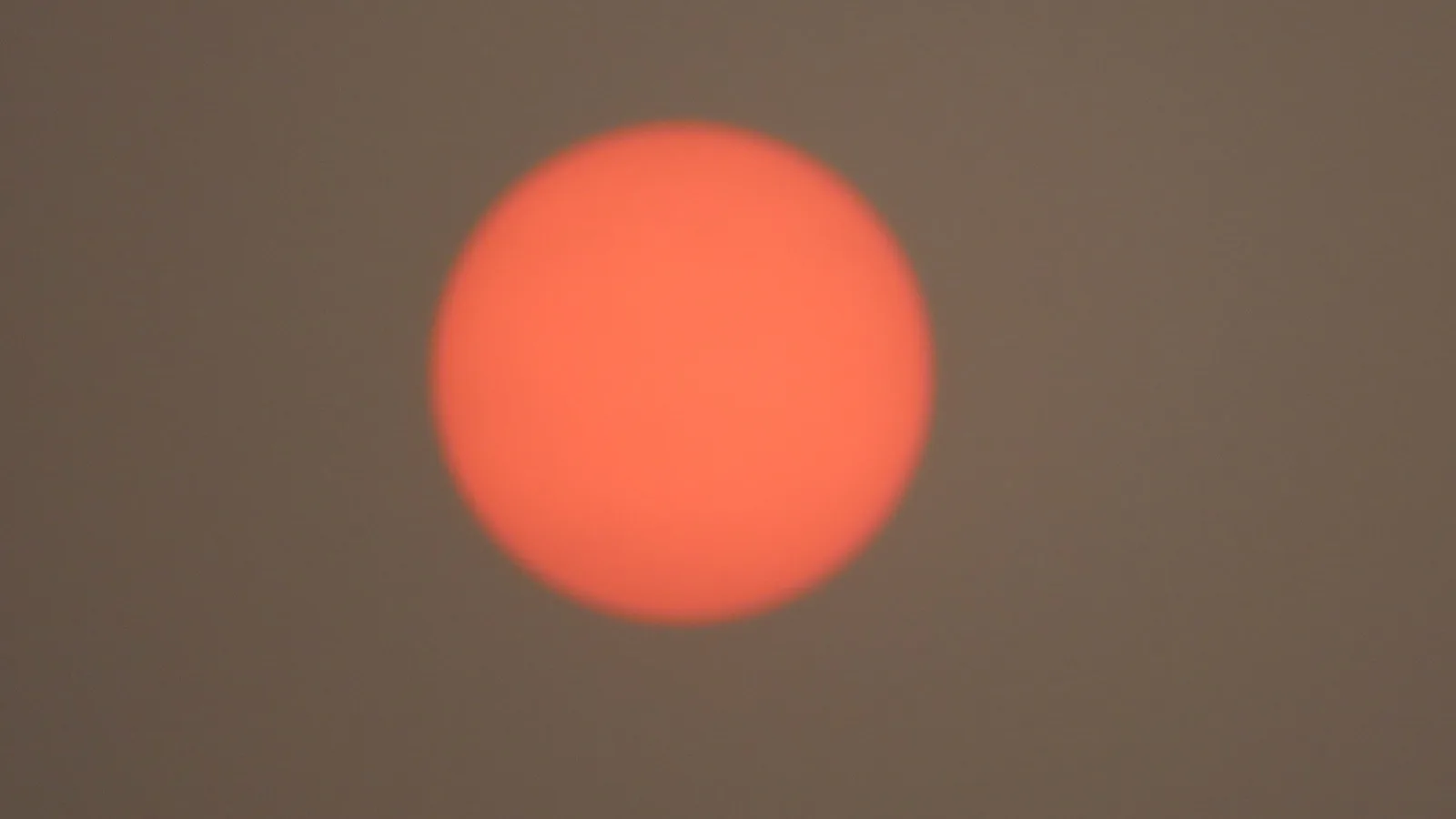
The consequences go beyond the burned hectares: degraded air quality, soil erosion, biodiversity loss, and pressure on mountain agriculture and water resources.
What’s next
Civil Protection warns that the risk remains high as long as the heatwave lasts. The expected next steps: stabilising active fires, the damage survey ordered by the Interior Ministry with a view to compensation, and heightened vigilance over northern provinces. On the Moroccan side, risk bulletins had flagged an “extreme” level in several northern provinces (Chefchaouen, Tetouan, Taza), with the kingdom managing its own fire starts.
Conclusion
Algeria is going through one of its most difficult summers since 2021 on the wildfire front: six deaths, thousands of fire starts, evacuations and hectares gone up in smoke, against a backdrop of extreme heat. On this base of verified facts, one question remains open: that of a possible participation of Moroccan aircraft, reported to Le Vrai Maroc by a direct source, but unconfirmed and made improbable by the state of bilateral relations. We will keep following the story and, with every update, keep separating the verified from the unverified. Explore our other analyses and follow the news on the homepage.
FAQ
How many people died in Algeria's July 2026 wildfires?
The Algerian Interior Ministry confirmed six deaths in the wildfires that struck several provinces in recent days.
Did Moroccan Canadairs take part in operations in Algeria?
A direct source contacted by Le Vrai Maroc says so, but no authority and no news agency has confirmed it. The claim is not established and should be treated with reserve, especially as Algerian airspace has been closed to Moroccan aircraft since 2021.
Which regions of Algeria are worst affected?
Mainly the north and north-east: Annaba, Souk Ahras, Skikda, Guelma, Bejaia, Bouira, Medea, Mila, El-Tarf, Jijel, Constantine, Tlemcen, Mascara and Saida are among the provinces cited.
What resources did Algeria deploy?
More than 19,000 agents, 704 trucks and machines, six helicopters and twelve water-bombing aircraft from Civil Protection, plus two aircraft and six helicopters from the People's National Army.
What is a Canadair CL-415?
It is an amphibious water-bombing aircraft designed for firefighting, able to scoop about 6,137 litres of water in roughly twelve seconds and drop it on a fire without returning to base.
Update note: published on 23 July 2026 based on the tolls available that day. Figures change daily. Any information on a participation of Moroccan aircraft will be added only if confirmed by an official source or a recognised news agency.
Read also: our analyses and news from Marrakech and Morocco on Le Vrai Maroc.
Keywords
Sources
- Anadolu Agency — Evacuations in Annaba province (22 July 2026)
- Africanews — Six killed, interior ministry (22 July 2026)
- Algérie Éco (APS) — Sayoud in Annaba, 195 fires in 24h (22 July 2026)
- TSA — 932 fire starts in one week, Civil Protection toll
- Reuters — Algeria cuts diplomatic ties with Morocco (2021)
- Wikipedia — Canadair CL-415 (technical specifications)