Many buyers discover Morocco’s property-buying process the hard way: a compromis signed too quickly, a document requested at the last minute, a timeline underestimated by several months. The mechanics aren’t mysterious, though. They rest on a precise chain of steps, identifiable documents, and, since 2025, a tighter administrative circuit linking the notary, the tax authorities and the Land Registry.
This article walks through that chain in order, with real observed timelines and the points of vigilance specific to foreigners and Moroccans Residing Abroad (MRE) buying from overseas.
The main stages, from viewing to handover
The buying process generally unfolds in seven stages: framing the project and budget, preliminary legal checks on the property, choosing a notary, arranging financing, signing the compromis de vente, lifting the suspensive conditions, then signing the final deed and receiving the keys.
Two moments structure everything else:
- The compromis (or promise of sale): a deposit of 5 to 10% of the price is typically held in escrow with the notary. For non-resident buyers, banks in practice require a higher personal contribution, around 30 to 40% of the price — a common banking practice in 2026, not a legal requirement.
- The final deed: it follows the lifting of suspensive conditions (financing approval, a clean mortgage status, a property free of any dispute) and triggers the transfer of ownership.
“The total process of a real estate transaction in Morocco generally takes between 3 and 6 months, from the compromis to the handover of keys.”
After signing the compromis, the buyer has a 7-day cooling-off period with no need to justify the withdrawal. Between the compromis and the final deed, expect on average two to three months, the time needed for the bank to process the file and for both parties to gather the required paperwork.
Documents to gather before signing
Before even drafting a compromis, a Moroccan professional (notary or lawyer) should verify several points about the property and the seller:
- the property certificate issued by ANCFCC, dated less than three months old, which reveals the registered owner, any mortgages, oppositions and easements;
- the mortgage status and the absence of pre-notations or seizures;
- planning compliance (building permit, absence of disputes);
- unpaid charges: co-ownership fees, housing tax, water and electricity;
- for an off-plan purchase (VEFA), the developer’s approval and the compliance of the reservation contract.

For foreign buyers, add proof of the funds’ origin: bank statements and a certificate of international currency transfer, required for compliance and to be able to later repatriate the proceeds of a resale. The Office des Changes notes that acquiring real estate is a recognized form of foreign investment in Morocco, and that the investor — including MRE — must send a report on the operation within six months, along with the bank forms proving the financing came from foreign currency.
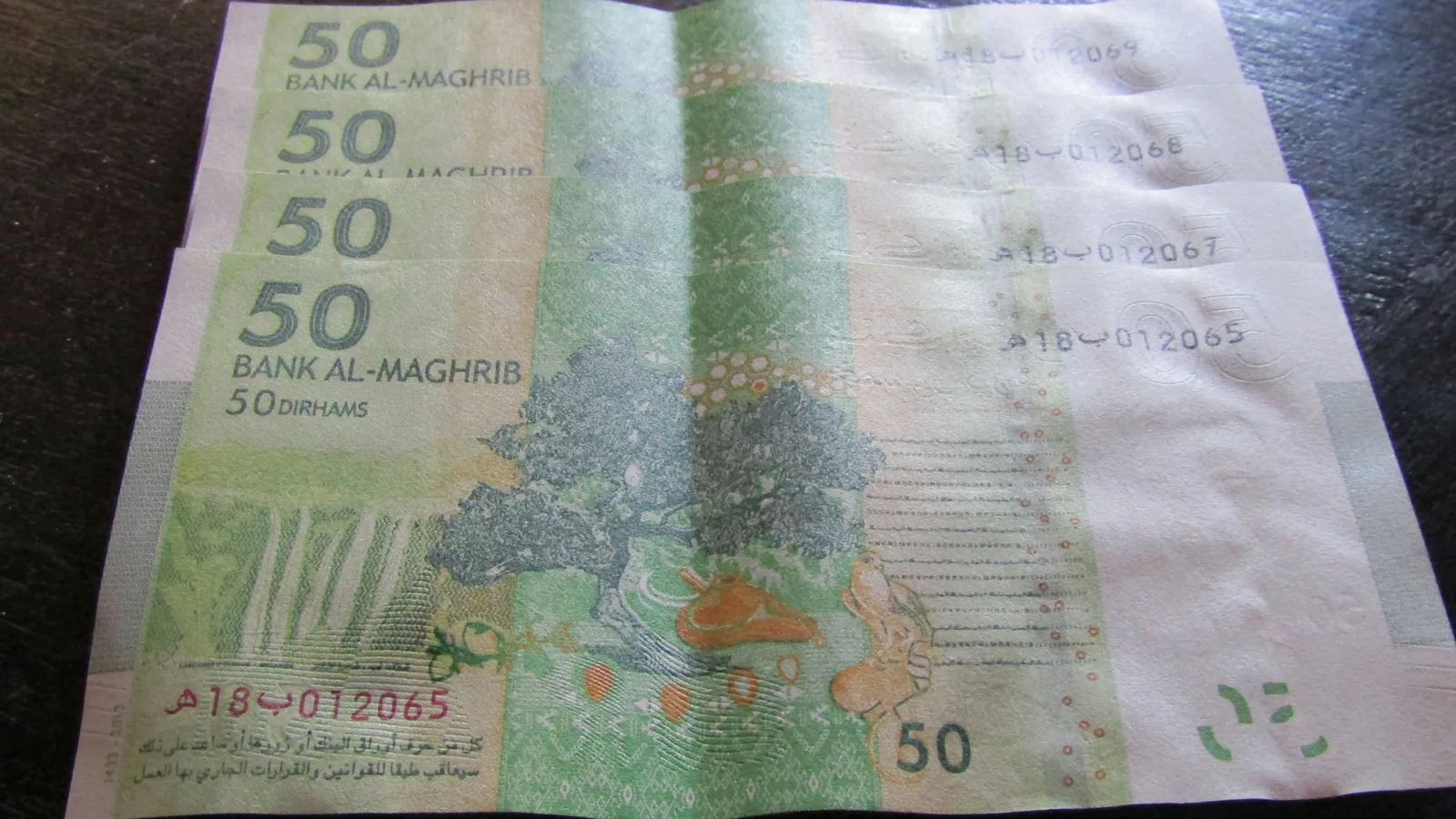
The property certificate itself can be obtained from ANCFCC for a fixed fee of 100 dirhams per certificate, with an official issuance timeline of two working days once the request is filed.
The new mandatory circuit: notary, DGI, then ANCFCC
Since January 1, 2025, finance law n° 60-24 has tightened tax controls on property transfers. The land registrar now systematically rejects any transfer deed not accompanied by a registration certificate issued by the Direction Générale des Impôts (DGI, the tax authority).
In practice, the circuit becomes: notarized deed, then registration with the DGI which generates the certificate, then the complete file is filed with ANCFCC. A deed submitted directly to the Land Registry without this prior certificate is no longer accepted. This extra step aims to strengthen the tax traceability of cross-border transactions and applies to resident buyers as well as MRE and foreign buyers.
Once the file is filed, final registration of the new owner on the land title generally takes between one and four months, depending on the workload of the local land registry office. It is advisable to ask the notary for a filing receipt at ANCFCC right at signing, then to track progress via the Mohafadati portal, before requesting the updated property certificate in the new buyer’s name.
Buying from abroad: the MRE power of attorney
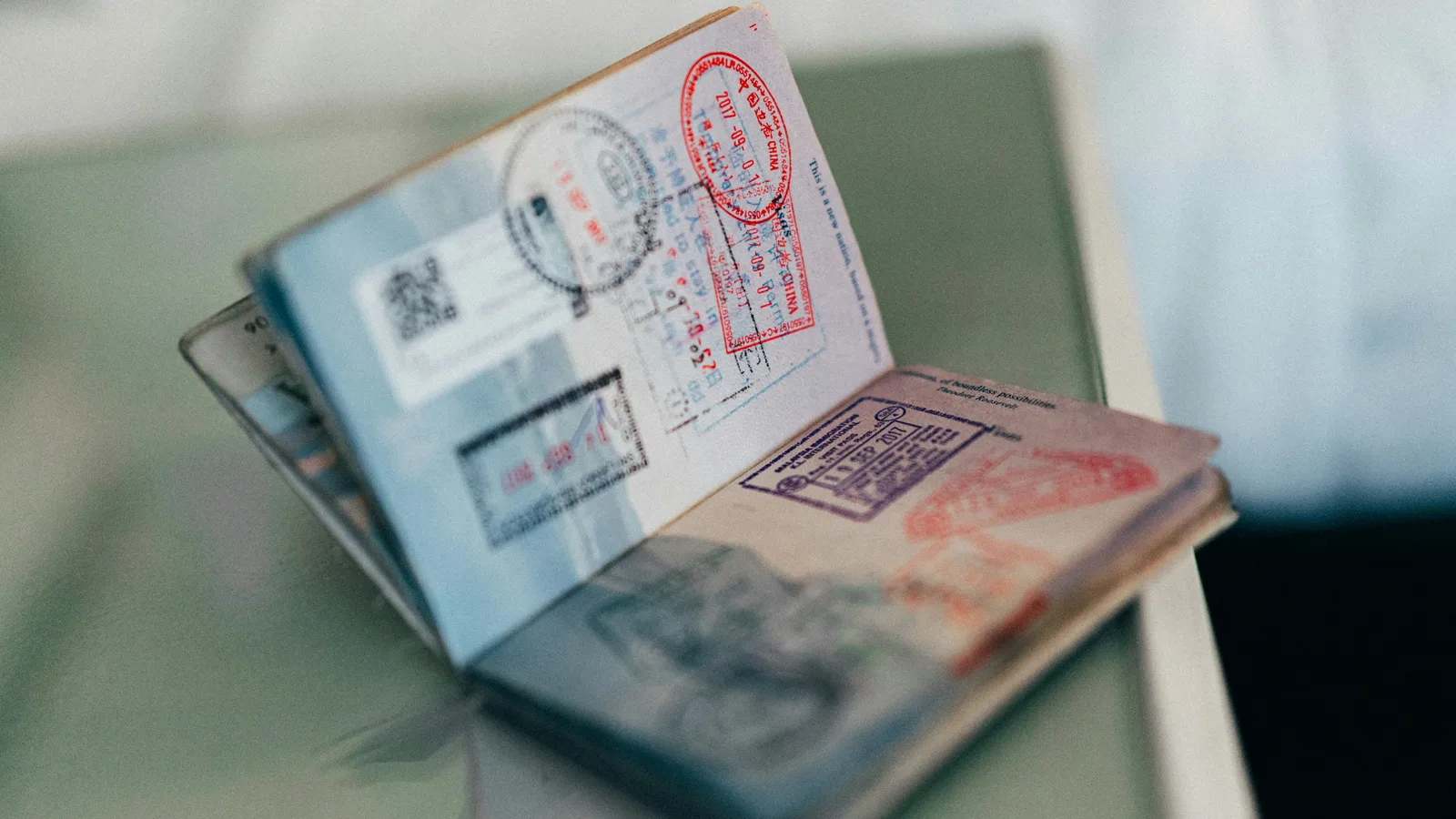
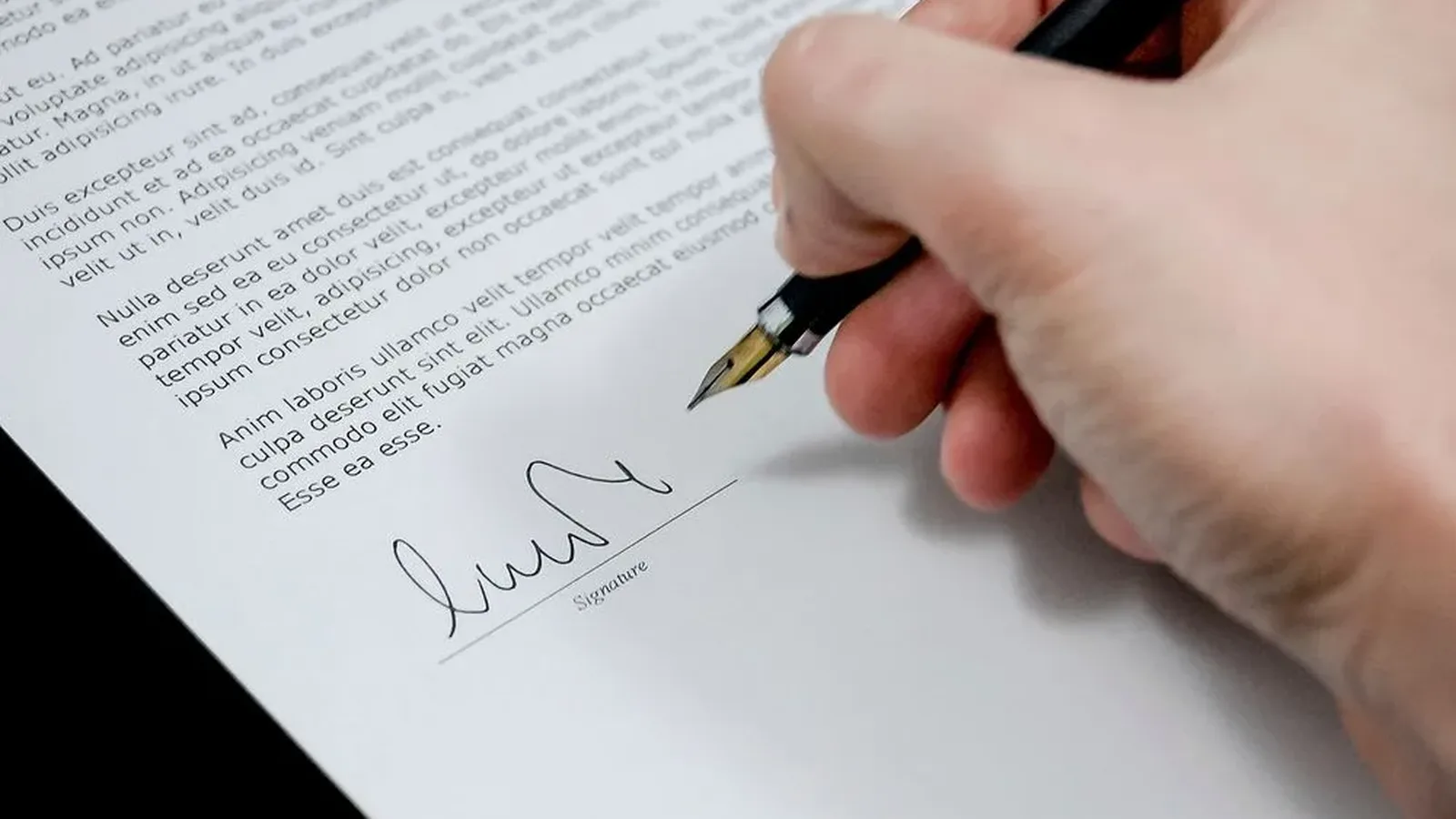
For an MRE or a foreigner who cannot travel, the purchase goes through a power of attorney. Since law 69-16 of September 14, 2017, any power of attorney for buying or selling property in Morocco must be established in authentic form — notarial or adoulaire — or the transaction is void. A private, even legalized, power of attorney is refused by the Land Registry.
Since January 1, 2019, Moroccan consulates can no longer draw up adoulaire authentic deeds themselves: the power of attorney must therefore be signed before a Moroccan notary, or before a foreign notary and then apostilled. Morocco has applied the Apostille Convention since August 14, 2016, which allows a foreign notarial deed to be recognized without going through heavier consular legalization.
The power of attorney must state a price ceiling for the purchase, the precise identification of the property, the authorized payment powers (price, notary fees, registration duties, ANCFCC fees) and a limited validity period — six months is common practice. Without an explicit price ceiling, the agent could legally buy above the intended budget.
How long it really takes
Three phases shape a realistic timeline:
- Before the power of attorney or compromis: two to four weeks for preliminary checks on the property, longer if the file raises points to clarify.
- From compromis to final deed: two to three months on average, including processing of bank financing.
- From the final deed to registration of the title in your name: one to four further months, depending on the relevant land registry office.
Overall, a project that runs without complications rarely takes less than three months, and six months is nothing exceptional once bank financing or an international power of attorney come into play. Signing a compromis without an up-to-date property certificate, or transferring funds before the notary’s escrow confirmation, remains the most frequent source of disputes.
Checklist before signing
- Seller’s ANCFCC property certificate obtained, dated less than three months old
- Mortgage status checked: no seizure, opposition or pre-notation
- Planning compliance confirmed for recent construction or VEFA
- Origin of funds documented (bank statements, foreign currency transfer certificate)
- Power of attorney in authentic form with a price ceiling, for a remote purchase
- DGI registration certificate anticipated before any ANCFCC filing
- ANCFCC filing receipt requested from the notary right at signing of the final deed
- Realistic timeline set: allow 3 to 6 months from compromis to final registration
This article is an editorial summary of the process generally observed in 2026. It does not replace a personalized notarial or legal consultation: each file — residency status, property type, financing method — can change the order or duration of certain steps.
Keywords
Sources
- ANCFCC — Fees and timelines for land registration formalities
- Office des Changes — Forms of investment (art. 764 and 766)
- LesMRE — Power of attorney for property purchase in Morocco for MRE 2026
- LesEco.ma — Cross-border deeds: the DGI tightens land tax controls
- Green-Acres — How long does it take to buy property in Morocco
- HCCH — Entry into force of the Apostille Convention for Morocco