Updated on 14 September 2026.
Key points
- Official ANCFCC/BAM IPAI data measures registered transactions, not portal asking prices.
- Marrakech has stronger micro-market dispersion than a single city average suggests.
- A rise in citywide indicators does not make every project attractive.
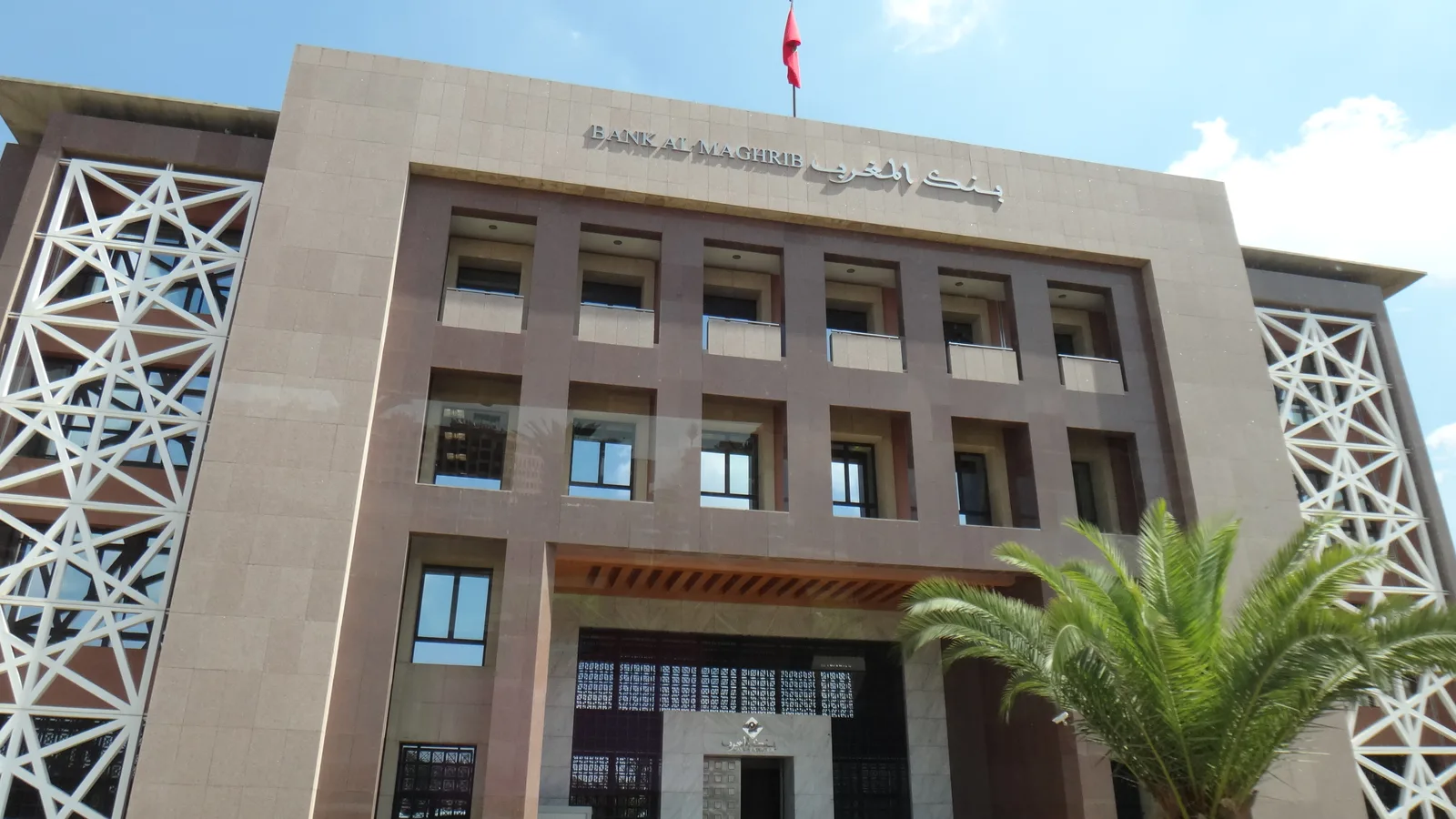
- Financing conditions remained relatively stable after Bank Al-Maghrib kept the key rate at 2.25% in June 2026.
| Segment | Official / market reading | Buyer implication |
|---|---|---|
| Registered transactions | Read through ANCFCC/BAM indicators | Useful for trend, limited for micro-neighborhood pricing. |
| Asking prices | Read through portals and local agencies | Useful for negotiation range, not a signed price. |
| New-build / off-plan | Often premium-priced | Requires developer, permit, schedule and delivery checks. |
| Resale | Visible asset and charges | Requires title, building condition and negotiation analysis. |
Is the market really recovering?
The answer is nuanced. Transaction indicators and asking-price ranges can move in different directions. A recovery in volumes may coexist with buyer selectivity. Premium addresses such as Hivernage, Guéliz, Palmeraie or golf areas can remain liquid while standard peripheral stock faces negotiation pressure. Buyers should therefore compare the project with its own segment rather than extrapolate from the headline market.
Which segments are moving?
Apartments in central, walkable locations remain easier to benchmark. Villas and riads require more case-by-case analysis because land, renovation quality, legal status, tourist use and operating costs change the equation. Land and commercial property should not be mixed with residential trends.
Is Marrakech overheating?
Some micro-markets show speculative pricing, especially where 2030 narratives are used as a sales argument. That does not mean the whole city is in a bubble. It means buyers must separate confirmed infrastructure, actual rental demand, signed transactions and sales brochures. A citywide rise is not enough: the S.A.F.E real-estate analysis method helps test whether a specific project deserves attention.
Sources and method
Official references are ANCFCC/BAM IPAI publications. Private references are used only for neighborhood-level indications and are labelled as market observations, not notarized transaction data.
How to use these figures without misreading them
The first mistake is to treat a range as an absolute truth. Official data, property listings, agency observations and bank simulations do not answer the same question. Official data describes registered market activity; a listing shows a seller’s or landlord’s asking position; a banking simulation gives an order of magnitude; field observations help with negotiation. A sound decision puts each source in its proper place.
Start with the use case: main home, second home, rental investment, family purchase, MRE purchase or long-term wealth asset. The same price can be reasonable for one use and excessive for another. Then isolate the total cost: price, acquisition fees, furniture, works, service charges, taxes, vacancy, financing, insurance, management and safety margin.
Checks before signing
- Request documents before discussing yield.
- Compare the price with genuinely comparable assets.
- Reject oral promises that are not written down.
- Check the consistency of advertised area, usable area and plans.
- Anticipate post-purchase costs: co-ownership, maintenance, tax, furniture and vacancy.
- Have major commitments reviewed by the relevant professional.
Warning signs
A price “valid only today”, a guaranteed return without details, refusal to provide documents, a vague delivery calendar, a seller who downplays costs or a pitch based only on 2030 should slow the decision. In Moroccan property, risk often sits in details: incomplete title, missing authorisation, misunderstood surface area, ignored charges or poorly documented payment.
How to read ANCFCC/BAM data
The ANCFCC/BAM index is an official trend indicator based on registered transactions. It is useful for market direction, but it does not price a specific apartment in Guéliz or a villa on Route de l’Ourika. Residential, land and commercial data must be separated: land can rise because of development expectations without meaning old apartments are more expensive.
In 2026 buyers should watch transaction volume, financing conditions, new-build quality and resale liquidity. If asking prices rise while signed transactions lag, the market is more fragile than it looks. A healthy recovery shows coherent comparable sales and reasonable selling times. Overheating appears when prices rely mainly on future promises. Connect market direction with Marrakech property prices and realistic rental income before deciding.
Decision table for 2026
| Question | Why it matters | Good answer |
|---|---|---|
| Is the price based on transactions, listings or a brochure? | Sources measure different things. | The source is named and qualified. |
| Is the district liquid? | Resale depends on buyer depth. | Recent comparables exist. |
| Is financing still comfortable? | Insurance and charges change affordability. | Monthly payment and total cost are tested. |
| Is rental income net or gross? | Gross revenue overstates yield. | Vacancy, tax, charges and management are deducted. |
| Is the 2030 story documented? | Not every announcement becomes value. | Projects are confirmed or clearly labelled. |
Buying at the right time is not only about catching a low point. It is when price, financing, documents and intended use become coherent. Marrakech can offer opportunities in one segment and excessive prices in another at the same time.
Three scenarios for the next twelve months
The central scenario is a selective market: well-located, documented and correctly priced assets keep finding buyers, while expensive or unclear files stay listed for longer. A more positive scenario requires readable rates, strong MRE demand and infrastructure progress, but any upside would first affect assets that are easy to understand: quality central apartments, well-located villas, riads with solid documents and properties with real use.
A cautious scenario also matters. If financing tightens, asking prices drift away from rental income or sellers overprice the 2030 effect, the market can slow. Value does not vanish, but liquidity falls. Match the reading to the buyer profile: resident, MRE, investor or patrimonial buyer do not carry the same risks.
Quarterly indicators to follow
Track sale time for comparable assets, the gap between asking and signed prices when it can be estimated, credit availability, net rents and document quality. Long listing times, repeated price cuts, incomplete files or weak net rents are stronger signals than broad averages. A slower market can still offer good opportunities when the asset is clear, negotiable and financeable.
Final checklist before making an offer
Before offering, check demand segment, comparable price, financing after charges, document completeness and resale credibility if the market slows. A dynamic market can still contain overpriced or unclear assets; a calmer market can offer good entries when the file is solid.
FAQ
Are the figures official?
Official indicators are separated from private market estimates and simulations. Listing ranges are not notarized transaction prices.
Should a buyer decide only on yield?
No. Yield must be tested with costs, tax, vacancy, property quality and resale potential.
Keywords
Disclaimer : This article is editorial analysis and does not constitute financial, legal or tax advice. Any investment decision should be preceded by consultation with qualified professionals.