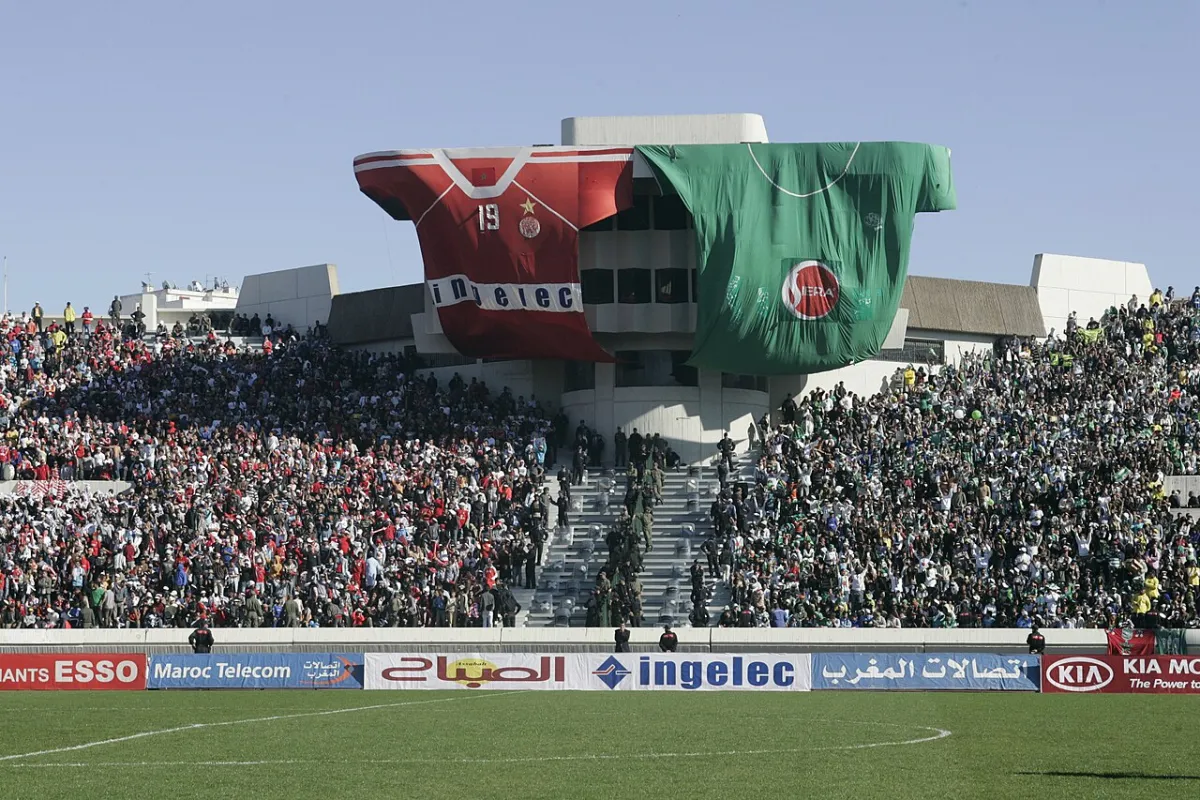
Short answer. Confirmed workstreams include stadiums, airports, rail, roads, urban and hotel infrastructure. The strongest budget references are the MAD 38bn ONDA protocol, the roughly MAD 150bn additional public effort cited by Marogest and IMF estimates in GDP points.
Key takeaways
- Upgrading is not limited to host cities.
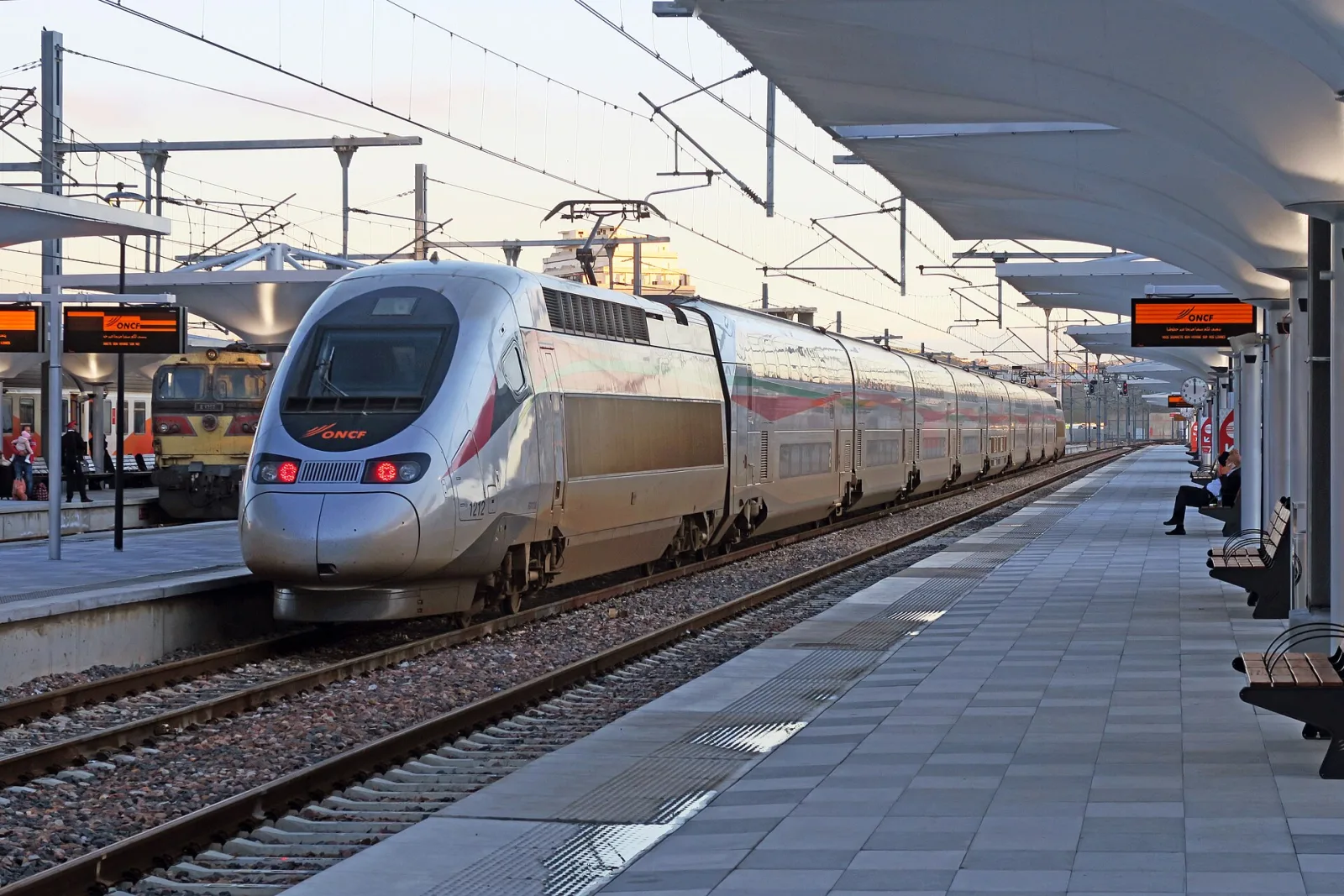
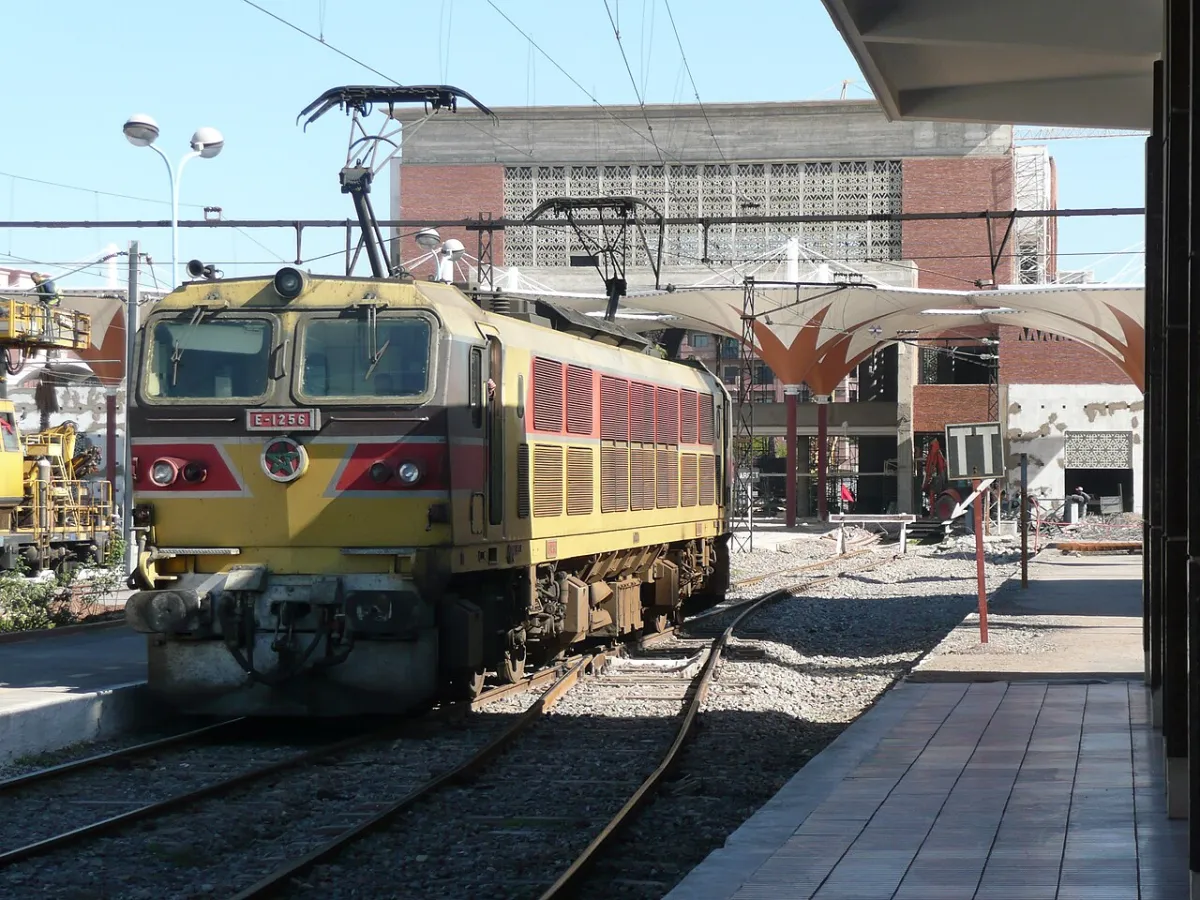
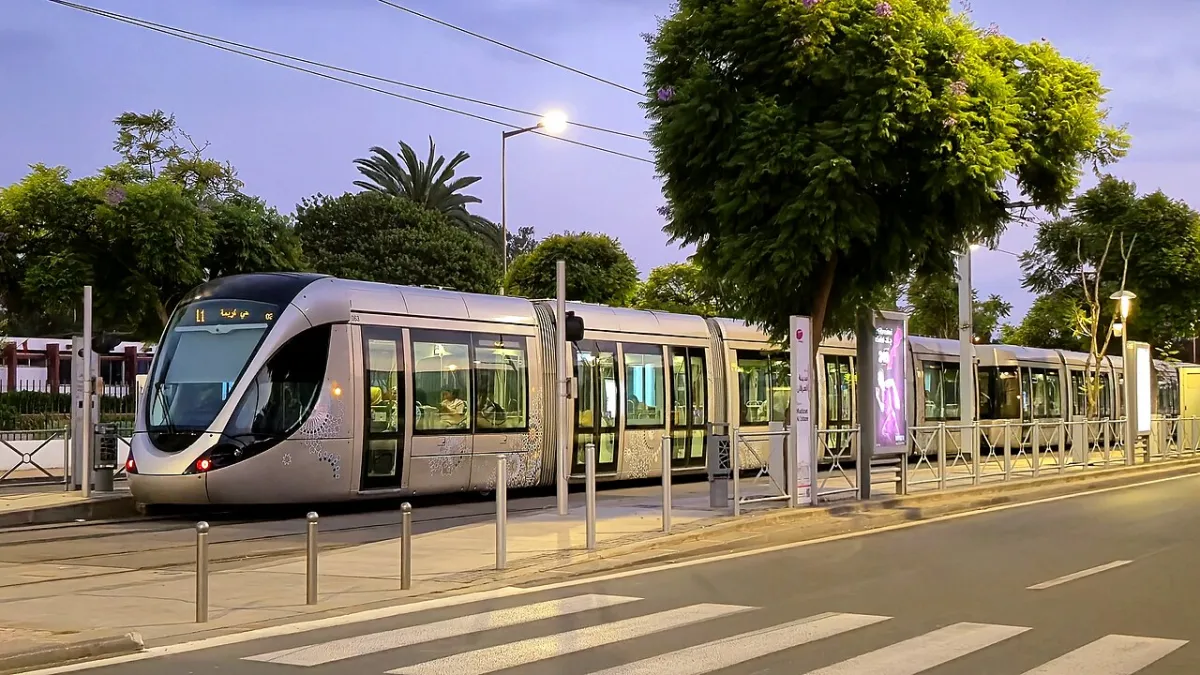
- Kenitra-Marrakech HSR was reported at about 30% completion in May 2026.
- High-speed service to Marrakech is announced for September 2029.
- Real-estate effects are uncertain and local, not automatic.
Update note: this story is evolving. The facts below are current as of 3 August 2026 at 19:10 Casablanca time.
Why this matters now
Upgrading is not limited to host cities.
Kenitra-Marrakech HSR was reported at about 30% completion in May 2026.
High-speed service to Marrakech is announced for September 2029.
Real-estate effects are uncertain and local, not automatic.
Verified markers
| Item | Useful reading |
|---|---|
| 1 | Upgrading is not limited to host cities. |
| 2 | Kenitra-Marrakech HSR was reported at about 30% completion in May 2026. |
| 3 | High-speed service to Marrakech is announced for September 2029. |
| 4 | Real-estate effects are uncertain and local, not automatic. |
What is confirmed
- Morocco 2030 Foundation adopted in 2025
- ONDA 2025-2030: MAD 38bn
- Kenitra-Marrakech HSR monitored by ministry
What still needs monitoring
- Stadium calendars
- Rail financing
- Hotel capacity
- Urban coordination
What changes in practice
- Upgrading is not limited to host cities.
- Kenitra-Marrakech HSR was reported at about 30% completion in May 2026.
- High-speed service to Marrakech is announced for September 2029.
- Real-estate effects are uncertain and local, not automatic.
Related reading
Editorial Reading Grid
A story such as World Cup 2030: the major projects set to transform Morocco should not be read as a loose chain of news snippets. The useful first step is to separate verified facts, official wording, media interpretation and probable scenarios. This protects readers from two common mistakes: turning an assumption into certainty, or downplaying an important signal because its administrative, economic or diplomatic effects are not yet fully visible.
The first layer is source quality. A public institution, sports federation, regulator, international organisation or listed company does not produce the same kind of information as a media article. An official source can confirm a date, a number or a decision, but it may stay silent on practical consequences. A reliable media source can add context and identify blind spots, but it does not replace the primary document when a procedure, price, calendar or alert is involved.
The second layer is vocabulary. In Moroccan news, words such as “announced”, “confirmed”, “scheduled”, “expected”, “reported”, “probable” and “under discussion” are not interchangeable. An investment announcement is not an operating factory. A risk map is not an active fire. A sports fixture is not a result. A diplomatic position is not automatically an international resolution. Keeping these distinctions visible makes the article more useful and more durable.
The third layer is territory. The effects of one item rarely spread evenly across Rabat, Casablanca, Marrakech, Tangier, Agadir, southern provinces, forest areas or border points. Morocco works through hubs, corridors, seasons and specialised administrations. That is why this article privileges identifiable places, dates and actors instead of broad national generalisations.
The fourth layer is practical use. Readers do not only ask “what happened?” They ask “what should I check before deciding?” Sometimes that means consulting a vigilance map, waiting for a release, checking an administrative portal, confirming a match time, comparing pump prices or distinguishing a funded worksite from a project still being structured.
Before sharing
- Upgrading is not limited to host cities.
- Kenitra-Marrakech HSR was reported at about 30% completion in May 2026.
- High-speed service to Marrakech is announced for September 2029.
- Real-estate effects are uncertain and local, not automatic.
These points should be read as an editorial snapshot, not as a frozen truth. Topics that perform well in Google Discover, Google News or AI-generated answers often evolve after publication. The role of the article is not to simulate total certainty, but to show where certainty starts and where monitoring begins.
Why Search Interest Can Rise
Search demand rises when a topic combines proximity, usefulness and uncertainty. Proximity may be geographic, family-related, economic or symbolic. Usefulness appears when readers can make a decision: travel earlier, delay an errand, follow a match, understand a bill, avoid a risky area or measure the weight of a public announcement. Uncertainty creates the need for clarification, and users then want a simple but sourced answer.
The timing also matters. Early August concentrates summer travel, heat peaks, tourism flows, Moroccan expatriate returns, sports competitions and late-summer economic preparation. A story published in this period can move quickly if it touches safety, household budgets, travel, administrative identity or Morocco’s international image.
False urgency should still be avoided. Saying that a topic is being monitored does not mean it should be dramatized. Good editorial writing gives the short answer at the top, then explains limits. It also helps search engines and AI answer systems: entities are named, dates are explicit, uncertainty is visible and sources are listed.
What Could Change The Article
- Confirmed element: Morocco 2030 Foundation adopted in 2025
- Confirmed element: ONDA 2025-2030: MAD 38bn
- Confirmed element: Kenitra-Marrakech HSR monitored by ministry
- Monitoring point: Stadium calendars
- Monitoring point: Rail financing
- Monitoring point: Hotel capacity
- Monitoring point: Urban coordination
A news article must be ready to be corrected. If an official source publishes a new bulletin, if an institution clarifies a figure, if a federation updates a score, if a company changes a timetable or if a government confirms a measure, the article should be reviewed. This discipline matters as much as style: it prevents over-strong headlines, stale figures and internal links that send readers to outdated situations.
Verification Method
Source selection followed three priorities. First came primary sources: Moroccan official portals, public institutions, international bodies, federations or companies directly involved. Then came recognised media able to provide dated factual context. Finally, specialist sources were used when the topic required market, transport, weather, sport or migration monitoring.
Figures were handled cautiously when they were indicative, provisional or location-dependent. Future dates were presented as announced deadlines, not as outcomes already achieved. Images were treated as illustrations when their role was contextual. No image should be read as documentary proof of a precise event unless the caption clearly says so.
Possible Consequences For Readers
For individuals, the immediate value is knowing what to verify and where. For professionals in tourism, property, transport, industry or services, the issue is separating noise from usable information. For international readers, the article also acts as a bridge: it explains Moroccan entities, calendars, acronyms and limits of interpretation without assuming prior knowledge of the country.
Caution does not weaken information; it makes it stronger. A modest but well-attributed fact is worth more than a spectacular unsupported conclusion. That is the editorial line used here to protect readers and preserve the credibility of the site.
Final Monitoring Checklist
Before acting on this information, readers should run one final check against the source that owns the decision. For weather, that means the official meteorological vigilance map. For sport, it means the federation, CAF or the competition organiser. For transport, it means the airport, airline, rail operator or official passenger notice. For administration, it means the relevant government portal. For diplomacy, it means the original statement, resolution or institutional communiqué.
This distinction matters because the public conversation often moves faster than the administrative record. Search engines may surface older articles, social networks may compress nuance, and screenshots may circulate without date or context. A reliable article can reduce confusion, but it cannot freeze a live file. The reader should therefore treat the publication date, update note and source list as part of the information itself.
For Le Vrai Maroc, the next useful update would be a factual change rather than a stylistic one: a new official number, a new alert level, a confirmed score, a published decree, a financing decision, a project milestone, a border statement or a corrected timetable. Without that kind of change, the most honest editorial action is monitoring, not rewriting the same uncertainty with louder words.
FAQ
Can the figures change?
Yes. News, weather, sport, migration and price topics move quickly; official sources should be checked at reading time.
Why use several sources?
Because one media report is not official confirmation, especially for diplomacy, security, migration or prices.
Does this replace an official procedure?
No. For procedures, alerts or travel, the administrative source or official organiser remains the priority.
Why are some images labelled as illustrations?
Because they document the context without claiming to show the exact event described.
What is the next editorial step?
Monitor official releases, update figures and correct scenarios once a new fact is confirmed.
Sources used
Keywords