Morocco’s economy in 2026 is being driven by an agricultural rebound, domestic demand and public infrastructure investment. HCP estimated 4.8% GDP growth in Q2 2026. The World Bank projects 4.2% growth for 2026, while the IMF uses a 4.4% annual forecast. These figures are not the same thing: one is a quarterly estimate, the others are annual forecasts.
Executive Summary
The useful way to read Morocco’s economy in 2026 is to separate actual data, official forecasts, analyst projections and editorial interpretation. Published data show stronger momentum than in the drought-and-inflation period of the early 2020s. Forecasts remain constructive, but they depend on agriculture, energy prices, investment execution and external demand.
For searches such as Morocco economy 2026 or Morocco GDP 2026, the key signals are HCP’s 4.8% Q2 estimate, expected domestic demand growth of 5.9%, national final consumption expected at 4.4%, gross investment expected at 9.5%, moderate but rising inflation pressure, and employment as the main structural weakness.
GDP Growth
HCP reported that national economic activity would have increased by 4.8% year on year in Q2 2026, after 4.6% in Q1. The estimate reflects agriculture, services and household consumption. It should not be presented as Morocco’s final annual GDP growth for 2026.
The World Bank’s July 23, 2026 Morocco Economic Update projects 4.2% annual growth in 2026, supported by investment and domestic demand. The IMF’s March 2026 Article IV report projects 4.4%. The gap reflects different publication dates, agricultural assumptions, external-demand assumptions and imported-cost risks.
Inflation and Households
Inflation has eased sharply compared with the 2022-2023 shock, but 2026 is not free of price pressure. A better agricultural campaign can limit food inflation, while energy, freight and geopolitical disruption can raise imported costs.
For households, the average inflation rate is only part of the story. Wages, transfers from Moroccans abroad, credit, fuel prices, housing costs and local employment matter more in daily life. A stronger GDP number does not automatically mean purchasing power has fully recovered.
Jobs and Consumption
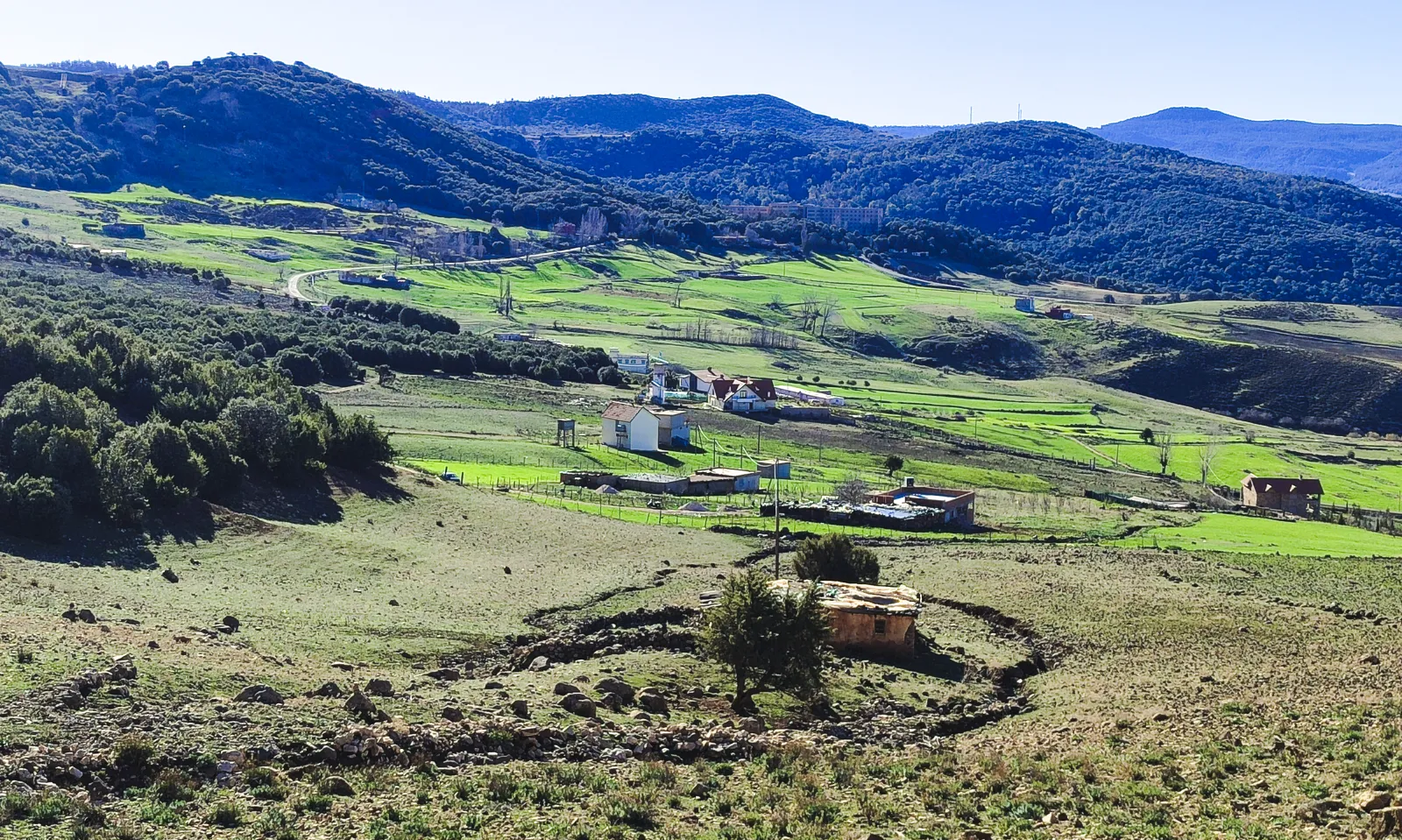
Jobs are the central test. Morocco can post stronger GDP growth while still facing high labor underutilization, especially among young people and women. The World Bank’s July 2026 framing is clear: stronger growth must be converted into broader, more productive employment.
Consumption is supported by agricultural incomes, wage gains, social transfers, remittances and credit. But the benefits vary by region. Casablanca, Tangier, Marrakech, Agadir and rural provinces are not exposed to the same sectors or costs.
Tourism, Automotive and Aerospace
Tourism supports services, air traffic, hotels, restaurants and parts of the property market. The key is to distinguish arrivals, overnight stays, tourism receipts and real profitability. High arrivals do not automatically mean every local business or property investor benefits.
The automotive sector remains one of Morocco’s export pillars around Tangier, Kenitra and logistics corridors. Aerospace follows a similar higher-value logic. Both industries depend on European demand, supply chains, skills and Morocco’s ability to keep upgrading local content.
Agriculture, Phosphates and Renewable Energy
Agriculture is a powerful driver in 2026, but it also makes growth more climate-sensitive. A favorable season supports rural incomes and food supply; drought can quickly reverse that signal.
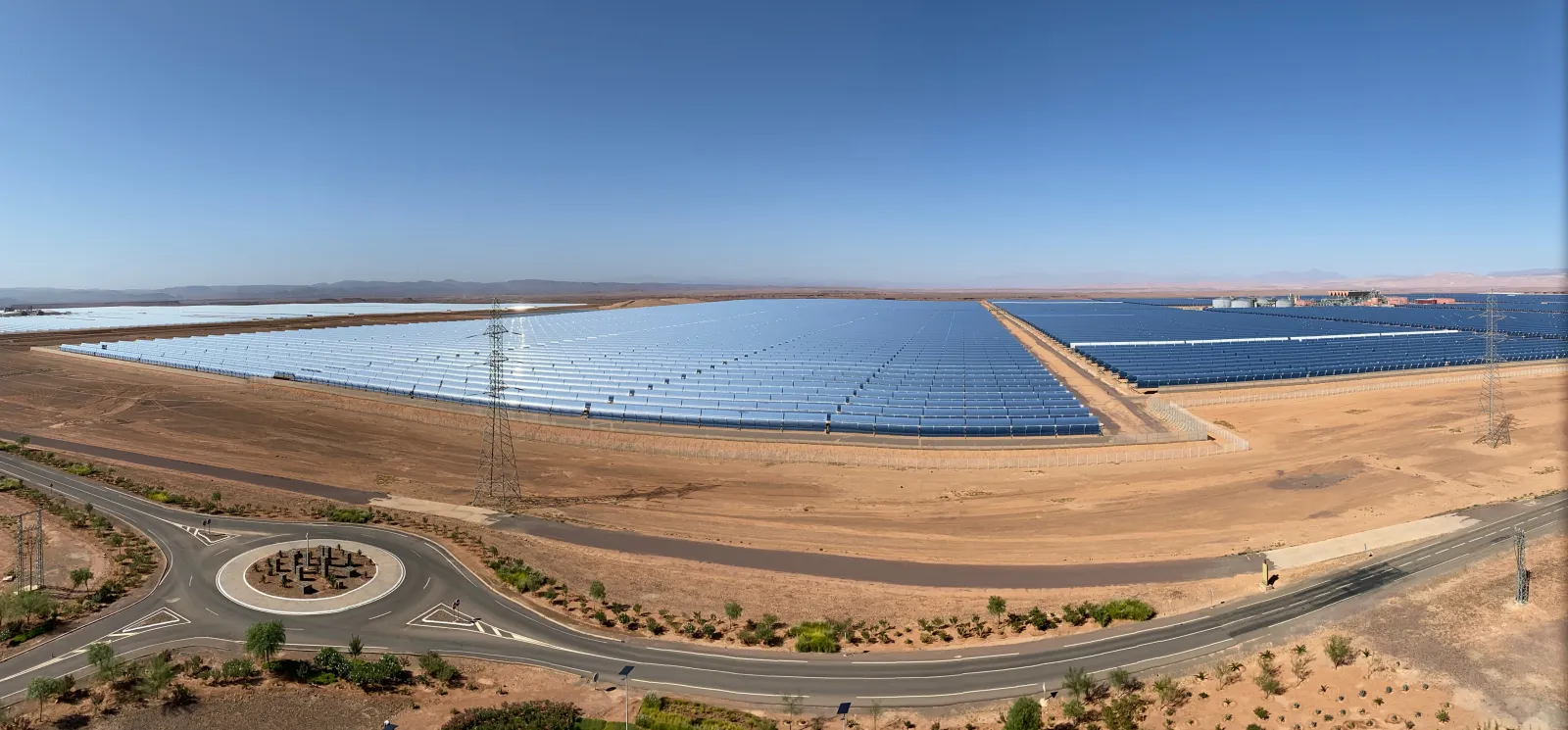
Phosphates remain strategic for exports and industrial value chains. Renewable energy, including large solar and wind projects, is a longer-term competitiveness issue: it affects energy imports, industrial attractiveness and climate resilience.
Investment, Exports and 2030 Infrastructure
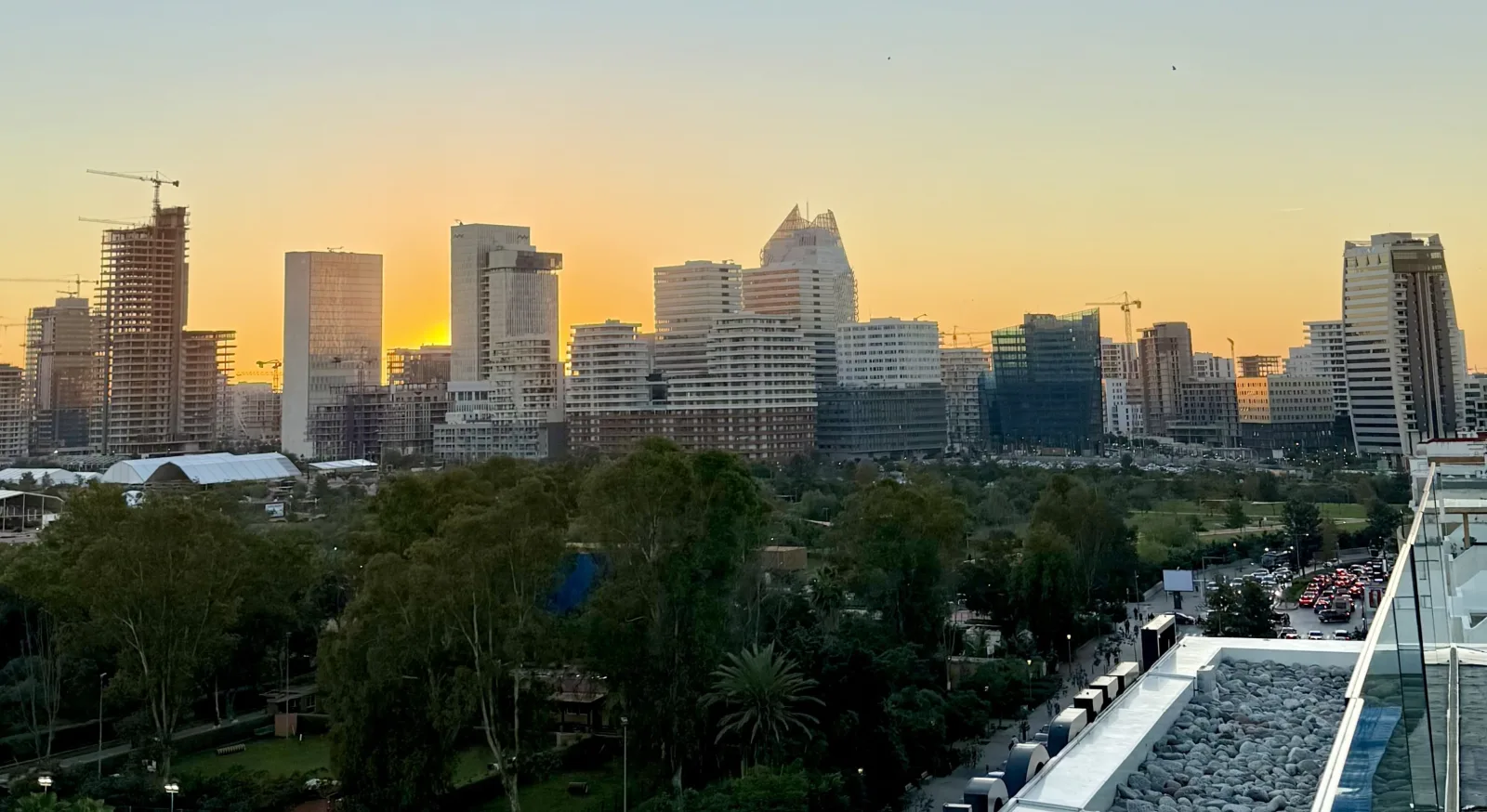
Public investment is one of the accelerators of 2026. Rail, roads, airports, stadiums, ports, water, energy and urban facilities are linked both to World Cup 2030 preparations and to broader capacity building.
The risk is execution. Fast investment can raise imports and widen external pressure if domestic productivity does not follow. The question is whether projects improve logistics, skills, private-sector participation and regional competitiveness after the event cycle.
Main Risks
The main risks are water stress, energy prices, unemployment, external demand from Europe, imported inflation, geopolitics and project execution. Morocco’s macro base is more resilient than it was earlier in the decade, but it remains an open economy exposed to climate and import costs.
Related Reading
- Morocco growth 2026: HCP figures
- World Cup 2030: major projects in Morocco
- Morocco automotive industry in 2026
- Investing in Marrakech in 2026
FAQ
What is Morocco’s GDP growth in 2026?
HCP estimated 4.8% growth for Q2 2026. For the full year, the World Bank projects 4.2% and the IMF projects 4.4%. These are different measures and dates.
Is Morocco’s 2026 GDP figure final?
No. As of August 4, 2026, available numbers combine quarterly estimates and annual forecasts. Final national accounts will come later.
Which sectors drive Morocco’s 2026 economy?
Agriculture, services, tourism, construction, public investment, automotive exports and selected industrial activities are the clearest drivers.
Is inflation still a risk in Morocco?
Yes. Inflation is moderate, but energy prices, freight costs and imported inflation can still pressure households and firms.
Does stronger growth mean enough jobs?
Not automatically. Employment quality, youth labor-market access and women’s participation remain major structural tests.
Keywords
Disclaimer : This article is editorial analysis and does not constitute financial, legal or tax advice. Any investment decision should be preceded by consultation with qualified professionals.