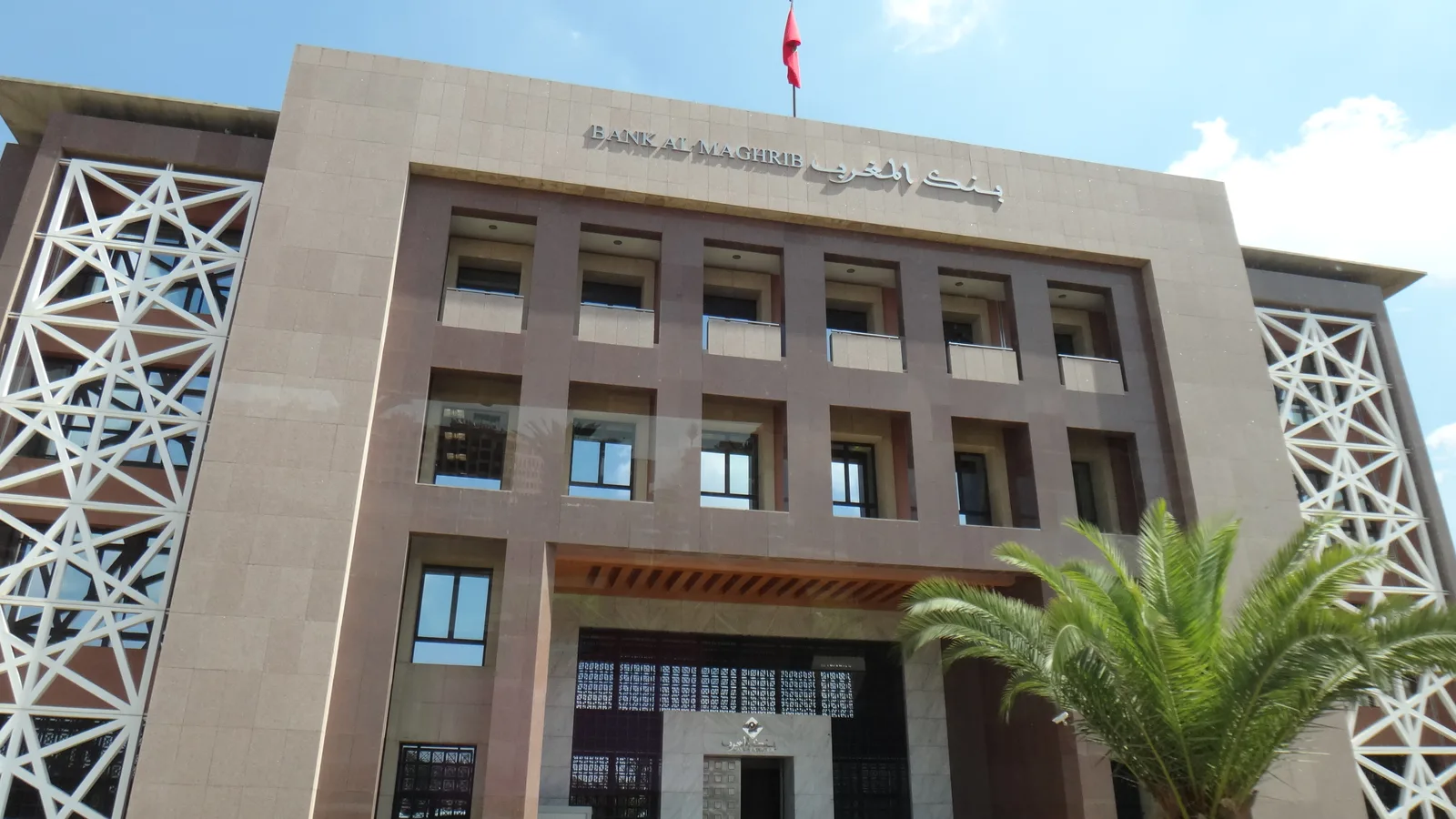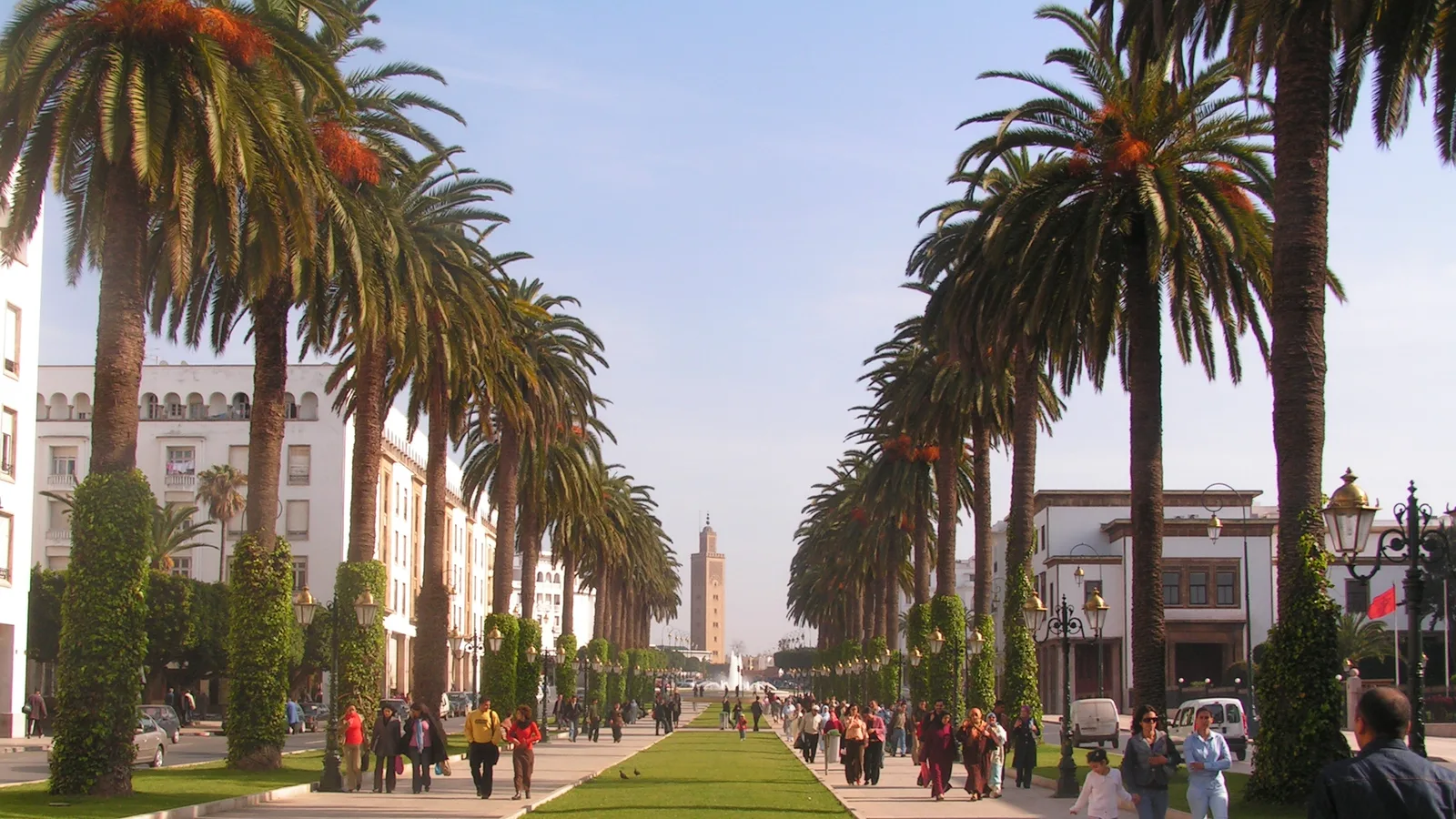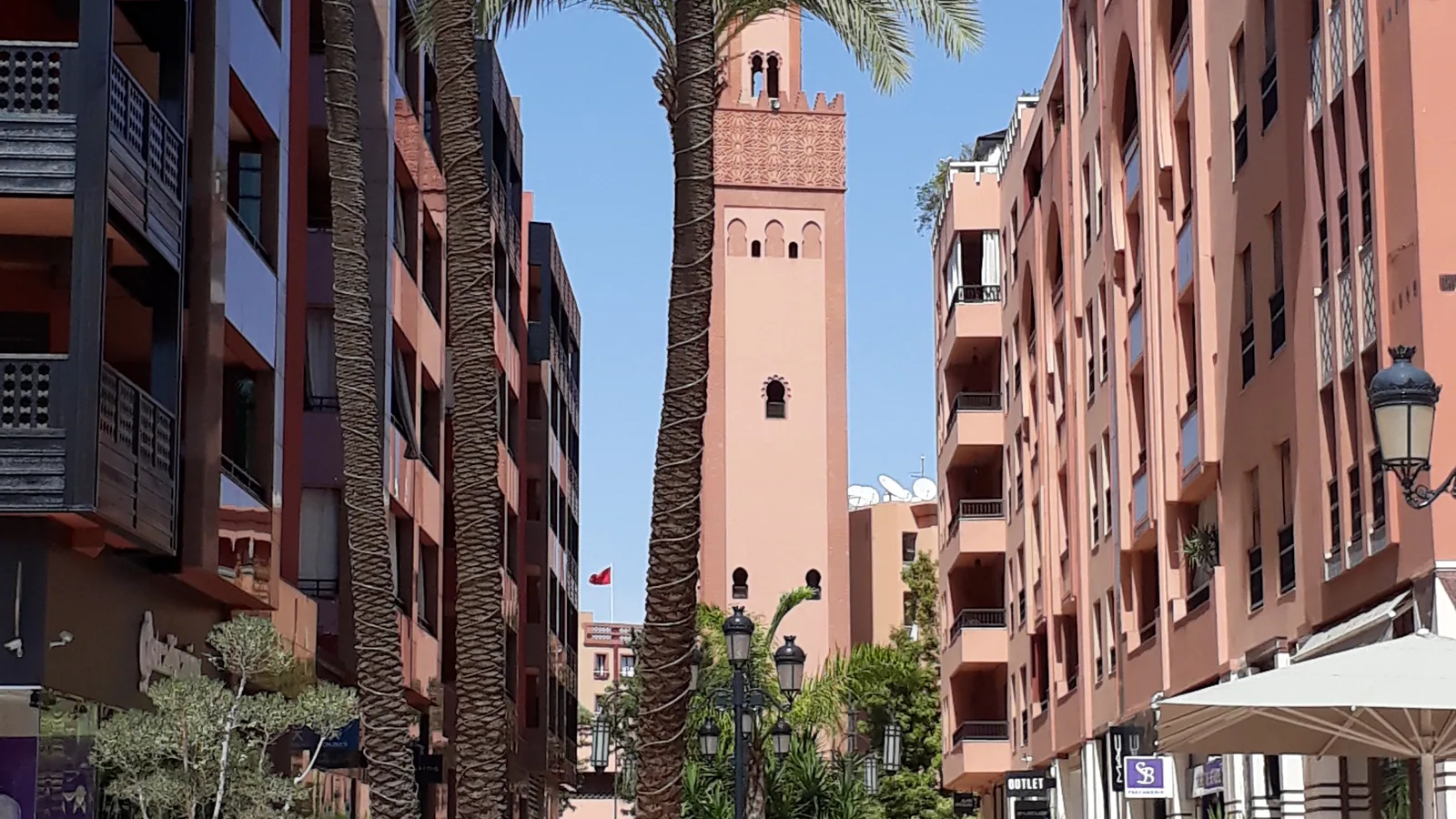
Bank Al-Maghrib (BAM) and ANCFCC published their quarterly Real Estate Asset Price Index (IPAI) for Q2 2026 on 28 August 2026. Nationally, the index rose 0.7% quarter on quarter. For Marrakech, the quarterly increase was more modest: 0.5%, driven mainly by apartments. Here is exactly what these official figures say, how Marrakech compares with other major Moroccan cities, and why this index cannot replace a neighborhood-by-neighborhood reading.
What the official index says for Q2 2026
The IPAI is produced jointly by Bank Al-Maghrib and the National Agency for Land Conservation, Cadastre and Cartography (ANCFCC), based on transactions registered with the land registry. It uses the repeat-sales method, which only counts properties that changed hands at least twice within the period studied — a way of neutralizing the fact that no two properties are truly comparable.
For Q2 2026, quarter on quarter:
- Overall index: +0.7%
- Residential: +1%
- Land: +0.6%
- Commercial/professional property: +0.4%
- Number of transactions: +11% (residential +6.3%, land +21.8%, commercial +23.5%)
Year on year (Q2 2026 versus Q2 2025), the overall figure is identical: +0.7%, with +1% for residential, +0.3% for land and +0.6% for commercial property. The number of transactions is up 6.3% year on year.
Marrakech versus other major Moroccan cities
The quarterly price change varies sharply from one city to another. Here is the ranking published by BAM and ANCFCC for Q2 2026:
| City | Quarterly price change |
|---|---|
| Tangier | +2.3% |
| Rabat | +1.9% |
| Fez | +1.7% |
| Kénitra | +0.7% |
| Casablanca | +0.5% |
| Marrakech | +0.5% |
| Agadir | roughly stable |
| El Jadida | roughly stable |
| Meknès | -0.9% |
| Oujda | -0.9% |
Marrakech sits at the same level as Casablanca, well behind the faster pace in Tangier or Rabat, but clearly above declining markets such as Meknès or Oujda. It is a real but measured rise, consistent with a market that is stabilizing rather than overheating.

Apartments up, houses and villas more erratic
The national index also breaks results down by property type, a level of detail the city index alone does not offer:
- Apartments: +1% quarter on quarter, +1.1% year on year. Transactions: +5.2% quarter on quarter, +4.6% year on year.
- Houses: +0.3% quarter on quarter, but -0.7% year on year. Transactions rose sharply quarter on quarter (+25.4%) yet fell year on year (-5.6%).
- Villas: +3.3% quarter on quarter, but -0.3% year on year. Transactions +34% quarter on quarter, -7.1% year on year.
Villas and houses show the sharpest quarterly swings, both up and down. This is also the segment where the number of repeat sales — the only transactions the IPAI method counts — remains lowest, which makes these percentages more sensitive to a handful of deals.
For Marrakech, where villas in the Palmeraie or along the Ourika road weigh heavily on the market’s premium image, this statistical volatility calls for caution: a national figure by property type says nothing about the price of one specific villa in one specific neighborhood.
What these figures mean for a buyer or investor
A 0.5% quarterly rise in Marrakech is neither a red alert nor proof the market is running out of steam. In practical terms:
- The market is moving at a pace comparable to Casablanca’s, not the faster pace seen in Tangier or Rabat — a useful counterpoint to sales pitches claiming a general price surge across Marrakech.
- The rise in transaction volume (+11% nationally) suggests a more active market than prices alone would suggest, particularly for land and commercial property.
- Borrowing costs remain stable: Bank Al-Maghrib kept its policy rate unchanged at 2.25% at its 23 June 2026 meeting, the fifth consecutive hold. A buyer budgeting for bank financing therefore faces no rate shock for now. Financing conditions by buyer profile (resident, non-resident foreigner, Moroccan living abroad) are detailed in our guide to mortgage financing in Marrakech.
- This index remains a macro indicator. To choose between neighborhoods, it should be read alongside local data, such as our guide to Marrakech property prices by neighborhood and our comparison of Marrakech’s best neighborhoods.
The limits of this official index
The IPAI is the most institutional source available on Moroccan real estate prices, but it has limits that a serious buyer should know before using it to negotiate:
- It is published at city level, not neighborhood level. A 0.5% rise in Marrakech can hide a sharp increase in Guéliz and stagnation elsewhere. For a district-level reading, see our analysis of the Marrakech real estate market.
- The repeat-sales method excludes properties sold only once, which includes much of the off-plan new-build supply — a major share of what is actually on offer in Marrakech.
- It is published with roughly a two-month lag: Q2 figures (April-June 2026) were only released publicly in late August 2026.
- Marrakech blends very different sub-markets — Hivernage, Guéliz, Targa, the Ourika road — that a single citywide average cannot distinguish.
Checklist before trusting a real estate price statistic
- Check the exact period the figure covers (rolling quarter or annual change).
- Distinguish a price change from a change in the number of transactions — the two tell different stories.
- Cross-check the national or city-level index against a neighborhood-level price source.
- Never negotiate a specific property based only on a statistical average.
- Check the publication date: a “recent” index can cover a quarter that is already two to three months old.
Frequently asked questions
What exactly is the IPAI?
The Real Estate Asset Price Index is a quarterly index jointly produced by Bank Al-Maghrib and ANCFCC from transactions registered with the land registry, calculated using the repeat-sales method.
Does the +0.5% in Marrakech apply equally to every neighborhood?
No. The index is calculated at city level. It does not distinguish between neighborhoods, whose price trends can diverge sharply, as shown by the district-level ranges published by specialized platforms.
Is this index a good basis for negotiating a purchase price?
It provides a useful macro trend to situate the market, but not a reference price for a specific property. A serious negotiation should rely on recent local comparables and the property's actual condition.
Sources and references
- Bank Al-Maghrib — Real Estate Asset Price Index, official statistics published jointly with ANCFCC.
- TelQuel — “Immobilier : l’indice des prix des actifs en hausse de 0,7 % au 2e trimestre 2026”, 28 August 2026, MAP wire.
- Challenge.ma — “Maroc : les prix des actifs immobiliers en hausse de 0,7 % au T2-2026”, 28 August 2026.
- Médias24 — “Bank Al-Maghrib maintient le taux directeur inchangé à 2,25 %”, 23 June 2026.
The figures cited come from the official joint Bank Al-Maghrib / ANCFCC note and from Moroccan economic news outlets reporting on that same note. They are macroeconomic indicators and do not replace a property valuation or personalized tax and legal advice before any purchase or investment decision.
Keywords
Disclaimer : This article is editorial analysis and does not constitute financial, legal or tax advice. Any investment decision should be preceded by consultation with qualified professionals.
Sources
- Bank Al-Maghrib — Real Estate Asset Price Index (official statistics)
- TelQuel — Real estate: the asset price index up 0.7% in Q2 2026 (28 August 2026)
- Challenge.ma — Morocco: real estate asset prices up 0.7% in Q2 2026 (28 August 2026)
- Médias24 — Bank Al-Maghrib keeps its policy rate unchanged at 2.25% (23 June 2026)