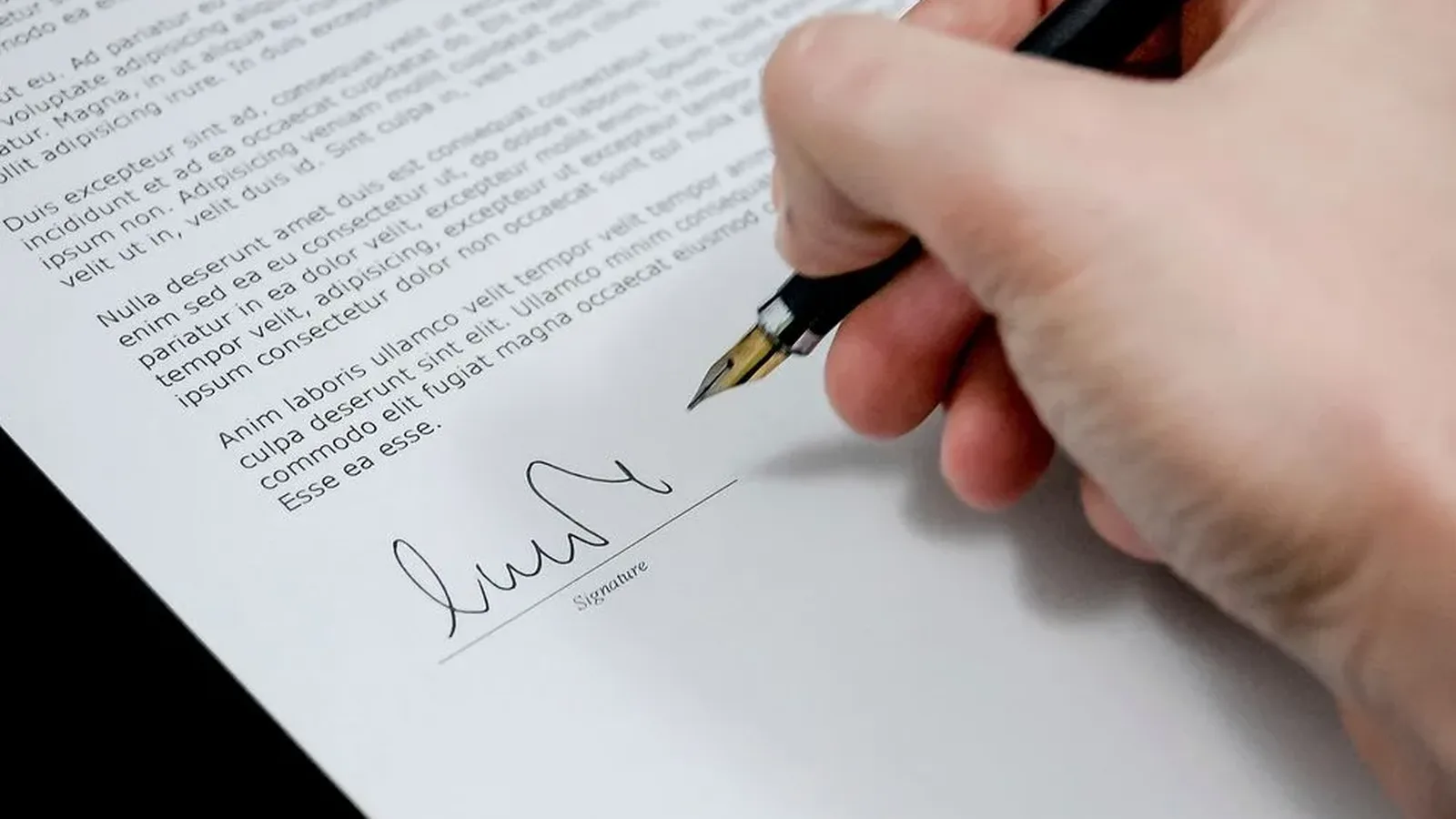
You have signed the deed at the notary, paid the price and received the keys: is the purchase finished? Not quite. For a registered property, ownership is also settled at the land registry, where the sale must be recorded on the title. Here is what this step changes, what it costs, how to follow the file and why you should also look at seizures. It complements our guide to the purchase procedure step by step and the one on the notary’s role.
Why registration matters as much as the signature
Morocco’s land system rests on public registration: according to ReaConsult (28 April 2026), unregistered rights cannot be invoked against third parties, a principle tied to Article 2 of the dahir of 12 August 1913, and the final title deed is “the only enforceable proof of ownership”. In practice, until your purchase appears on the title, a creditor of the seller or a second buyer can rely on what the register says, not on your deed.
That is why the notary files the registration request after signing, and why the prenotation exists to protect a deposit before the deed. Note also that Law 41.25 made the authentic deed mandatory, as explained in our dedicated article: registration is its logical extension.
For an unregistered property (melk, moulkiya) there is no title on which to record the sale: see title deed or moulkiya.
What registration costs
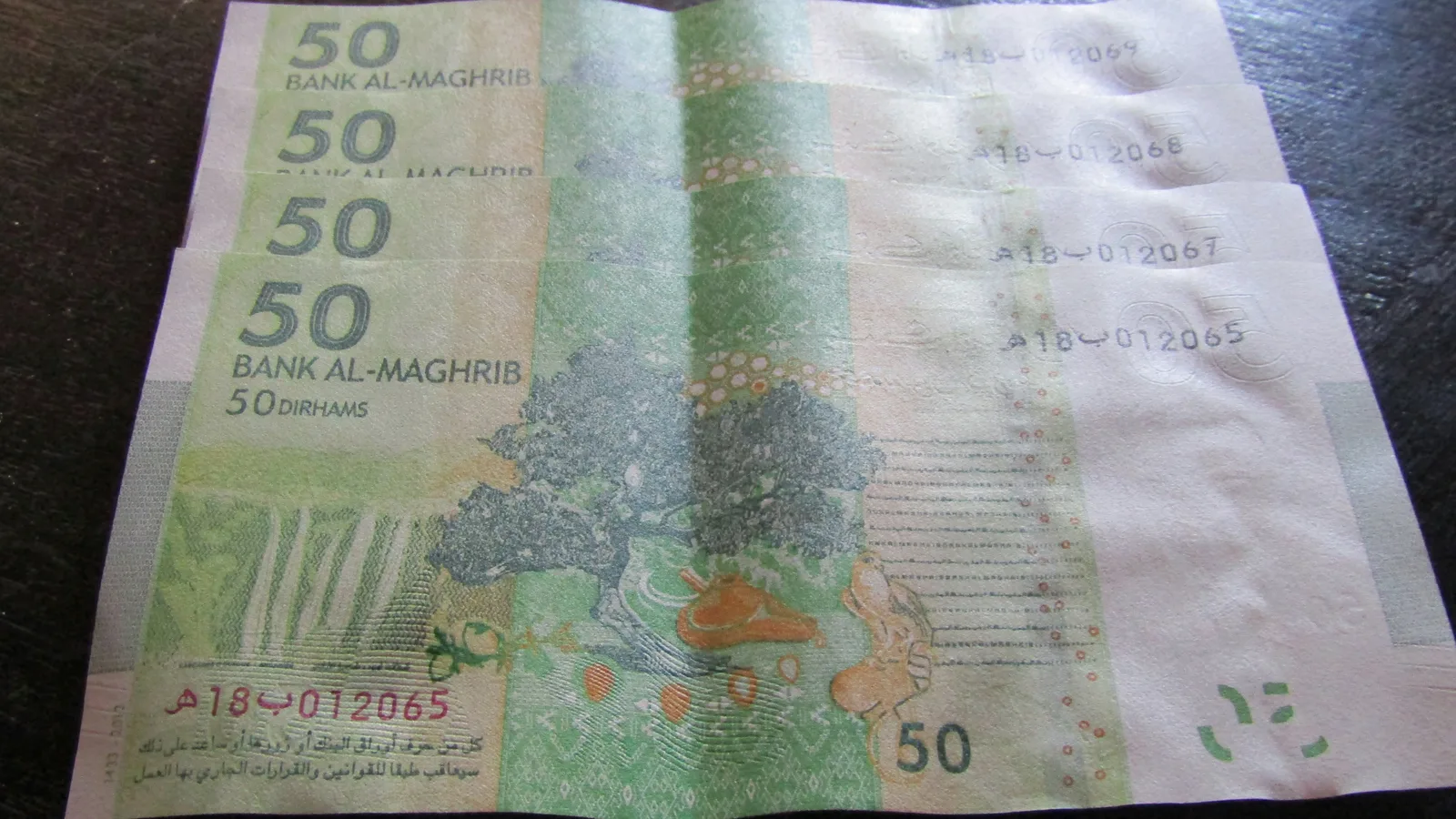
Land registry fees are paid when the transfer is recorded, usually through the notary. Sources differ on the rate: Wafir (16 May 2026) gives 1% of the declared price, while ReaConsult uses 1.5% in its 2026 tax guide. Our earlier tax guide already gave a range of 1% to 1.5%. Neither page publishes the official scale, so ask your notary for the exact amount in writing.
ReaConsult’s example for an older apartment at MAD 2 million:
- registration duties at 4%: MAD 80,000;
- land registry at 1.5%: MAD 30,000 (MAD 20,000 at 1%, according to Wafir);
- notary fees, about 1.2%: MAD 24,000.
That is roughly MAD 134,000, or 6.7% of the price (our own calculation, excluding VAT on fees and other disbursements). The taxes are detailed in our property tax guide.
How long does it take?
Wafir states 30 to 90 days for a transfer. This is an estimate from a private site: we could not extract an official deadline from the ANCFCC leaflet, whose layout is unreadable once converted. Treat the figure as indicative and ask the notary for the filing date and the request number.
Following your title: certificate of ownership and Mohafadati
The ANCFCC portal offers online ordering and verification of the certificate of ownership, an authenticity check for issued documents, the Mohafadati service and payment of fees. According to Finances News Hebdo (1 July 2026), the agency issued 2.5 million certificates of ownership in 2025 (+10%) and created 436,000 new titles.
Mohafadati lets a registered owner monitor a property remotely: according to Hespress (13 February 2019), the owner receives an email or SMS alert for every operation entered on their titles, such as a mortgage, a seizure or a sale. Decree No. 2.18.181 links every registration request to it, which is why you should give the notary a valid phone number and email. It is useful for a non-resident owner.
Two limits. First, the price of the certificate varies by source (MAD 100 for ReaConsult, MAD 50 to 100 for Wafir): check it on the portal. Second, according to ReaConsult the portal does not yet cover all titles, and rural areas and old medinas still have to be handled at the office, which concerns riads.

Seizures for unpaid dues: one more check before buying
In early 2026, Bladi.net (30 January) reported that the ANCFCC was asking its registrars to use protective seizures systematically to recover unpaid claims. The procedure described: formal notice with a 30-day deadline, an order from the president of the court of first instance, registration on the title which blocks the property, and release only after full payment. Bladi cites Law 58.00, the public debt recovery code and Article 110 of the land dahir. This is a press report: we could not consult the memo itself.
For a buyer the lesson is simple: a seizure recorded on the seller’s title may appear in the title statement. Have mortgages, seizures and oppositions listed just before signing, as for a mortgaged property.
Checklist after the purchase
- Ask the notary for proof that the registration request was filed, and its number.
- Give the notary a valid phone number and email for Mohafadati.
- Obtain a recent certificate of ownership (under 30 days old, advises ReaConsult) before signing, then another after registration.
- Check that the final certificate carries your name and the share you bought.
- Keep the receipts for duties and land registry fees.
- For a riad in the medina, plan a check at the office if the portal does not cover the title.
Rates and deadlines come from private sites and may change; only the notary and the ANCFCC are authoritative. This content is informational and is not legal advice.
Keywords
Sources
- ANCFCC — official portal: online services (certificate of ownership, Mohafadati, document authenticity check, payment of fees)
- ReaConsult — Land registration in Morocco: the 1913 dahir and Law 14-07 (28 April 2026)
- ReaConsult — Checking a title deed in Morocco: buyer's guide (26 April 2026)
- ReaConsult — Property tax guide 2026 (registration duties, land registry, notary)
- Wafir — Land registry and title deeds in Morocco in 2026 (updated 16 May 2026)
- Hespress FR — The ANCFCC launches the Mohafadati service (13 February 2019)
- Bladi.net — Unpaid dues in Morocco: towards systematic freezing of your title deed? (30 January 2026)
- Finances News Hebdo — ANCFCC: record turnover of nearly MAD 11 billion in 2025 (1 July 2026)