
Current rules versus proposals
| Reference | Amount | Status |
|---|---|---|
| Non-agricultural minimum | MAD 17.92/hour | Decree 2.25.983; applies from January 2026 |
| Agricultural minimum | MAD 97.44/day | Applies from April 2026 |
| Illustration using 191 non-agricultural hours | MAD 3,422.72 gross | Calculation: 17.92 × 191 |
| RNI proposal | MAD 5,000 | Election commitment published 4 September |
| PPS proposal | +15% in two stages | 2027–2031 programme; proposed indexation |
The illustrative monthly amount depends on paid hours. The agricultural daily rate cannot be converted into a universal monthly wage without specifying paid days.
Who proposes MAD 5,000?
RNI’s official website attributes the proposal to party president Mohamed Chouki at a meeting in Jorf El Melha. The report also mentions a MAD 5,000 tax advantage per privately educated child. These are separate wage and education-tax commitments.
The statement does not set out a detailed implementation timetable, a complete gross/net calculation or application across every sector. It cannot establish the date of a first MAD 5,000 payslip. Applicable regulations would still need amendment through the required process.
Gross pay, take-home pay and employer costs
Gross pay is earnings before employee deductions. Net pay reflects contributions, any tax and the worker’s circumstances. Employer costs also include the employer’s own charges. Subtracting employer contributions from gross wages to advertise a “net minimum wage” would be wrong.
If a future gross monthly floor of MAD 5,000 were compared with the 191-hour illustration, the difference would be MAD 1,577.28, or about 46.1%. This shows scale, not a guaranteed future take-home wage or an exact business cost.
Is PPS proposing the same thing?
No. Applying 15% to the MAD 3,422.72 illustration gives MAD 3,936.13 gross before other changes. PPS proposes two stages and inflation indexation; that cannot be restated as an immediate MAD 5,000 floor. Comparison requires the base, dates and sectors to remain explicit.
Possible effects on workers and firms
An implemented increase could support covered workers’ earnings. Its real benefit would depend on prices, working hours, compliance and taxation. A small business would need to assess its full wage bill, margins and adjustment timetable.
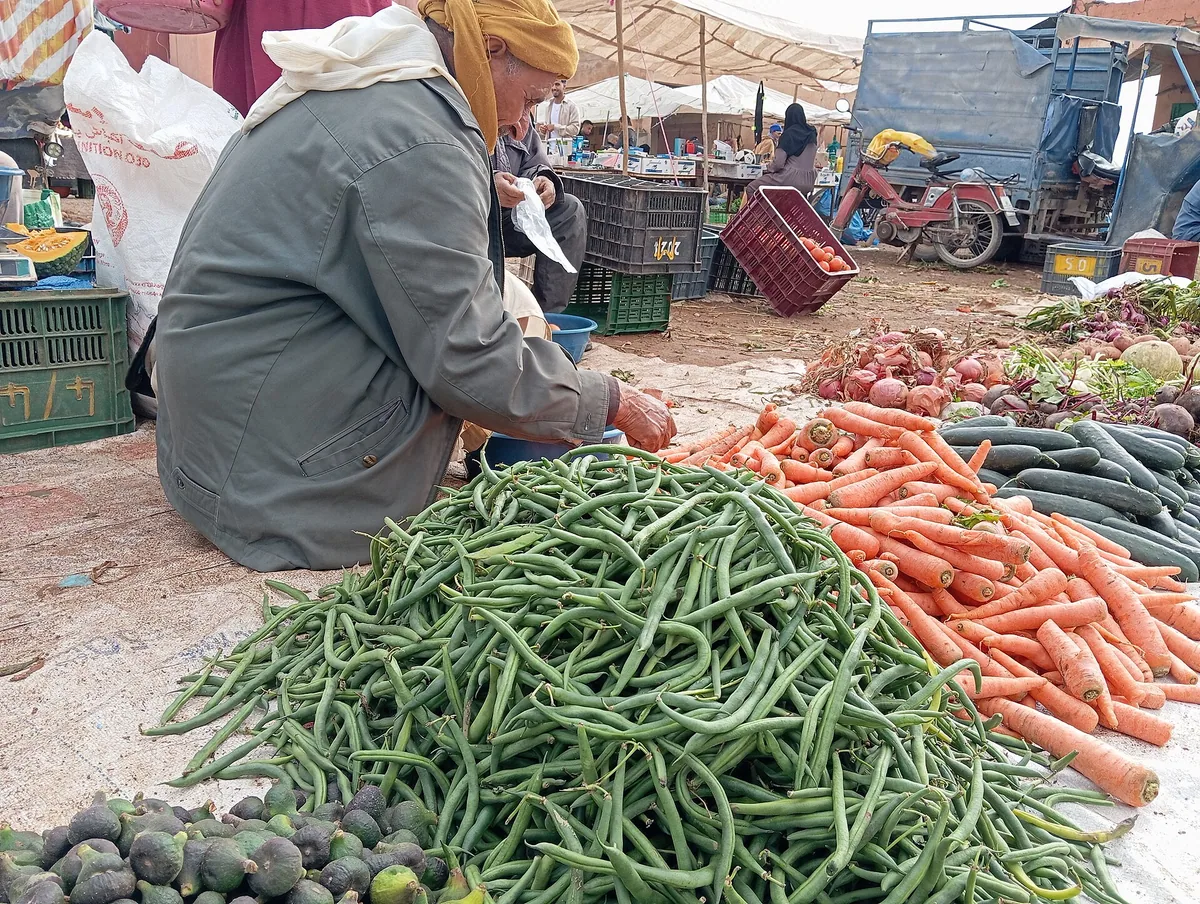
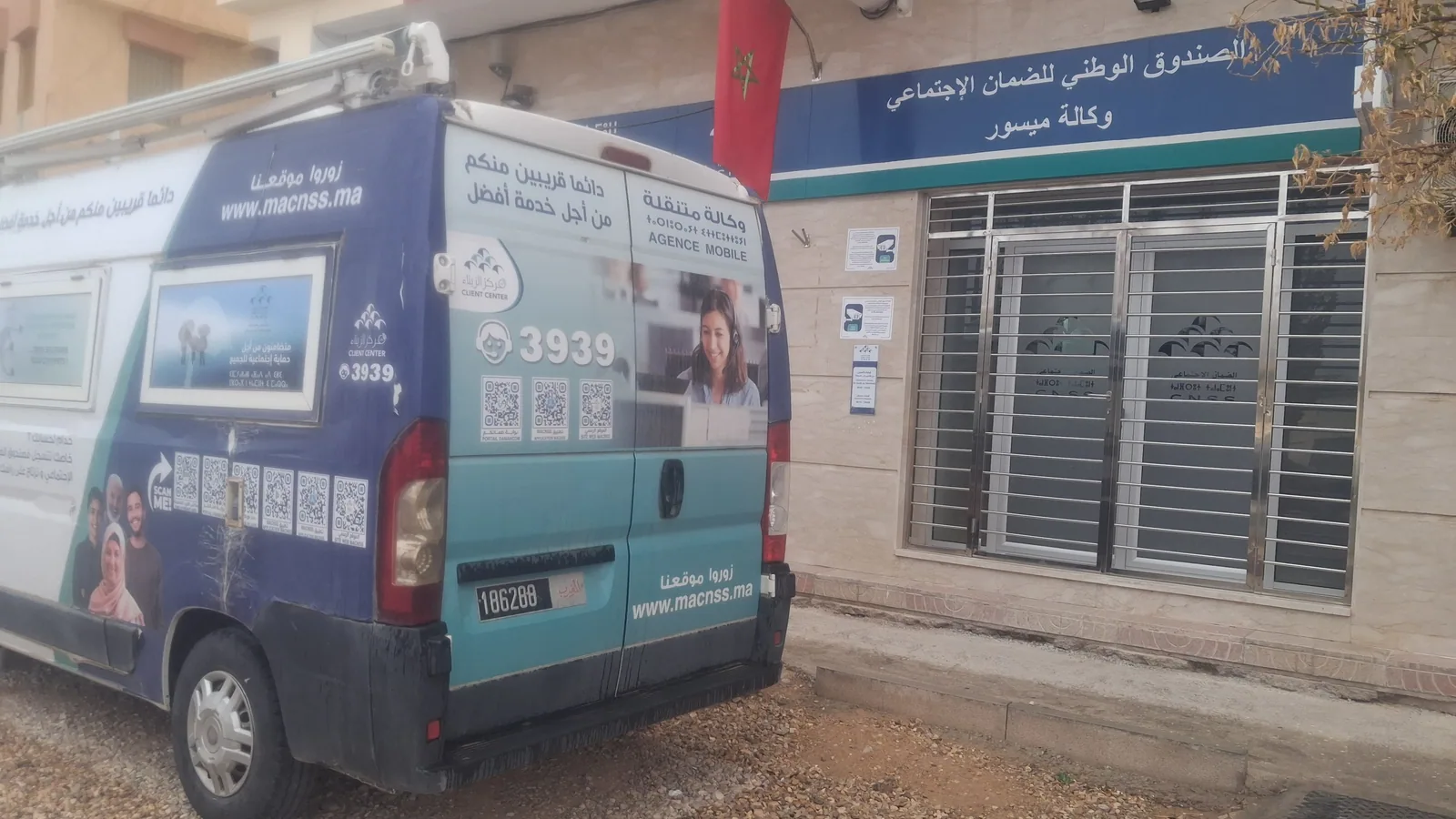
Formal employment matters too: a headline wage does not protect a worker whose hours and earnings are not properly declared. Our CNSS guide explains record checks; HCP employment figures provide labour-market context.
Frequently asked questions
Must my employer already pay MAD 5,000?
The election proposal alone creates no such obligation. Check the applicable legal minimum and your contract or collective agreement.
Is the proposed MAD 5,000 net?
The official statement reviewed does not provide a complete gross/net definition. We do not describe it as guaranteed take-home pay.
Are SMIG and SMAG identical?
No. The non-agricultural reference is hourly; the agricultural reference is daily.
Further reading
Keywords

.jpg)
